Lighting plays a crucial role in shaping the atmosphere, functionality, and visual depth of interior spaces. The design philosophy associated with Studio Bryony Ella treats lighting not merely as a practical feature but as an essential artistic element. Guided by interdisciplinary artist Bryony Ella, this approach focuses on natural light, layered lighting, and subtle mood enhancement to create warm, balanced interiors.
Instead of relying on a single light source, the studio’s design method uses multiple layers of light to enhance textures, highlight architectural details, and create a comfortable environment. These lighting techniques help interiors feel elegant, inviting, and timeless.
Table of Contents
Lighting Strategy Overview
| Lighting Element | Description |
|---|---|
| Primary Inspiration | Natural daylight and organic environments |
| Lighting Style | Soft, layered, and atmospheric |
| Key Light Sources | Natural light, lamps, pendants, and wall fixtures |
| Design Goal | Balance functionality with visual warmth |
| Material Influence | Light interacting with wood, stone, and textiles |
| Atmosphere Result | Calm, comfortable, and visually balanced spaces |
Natural Light
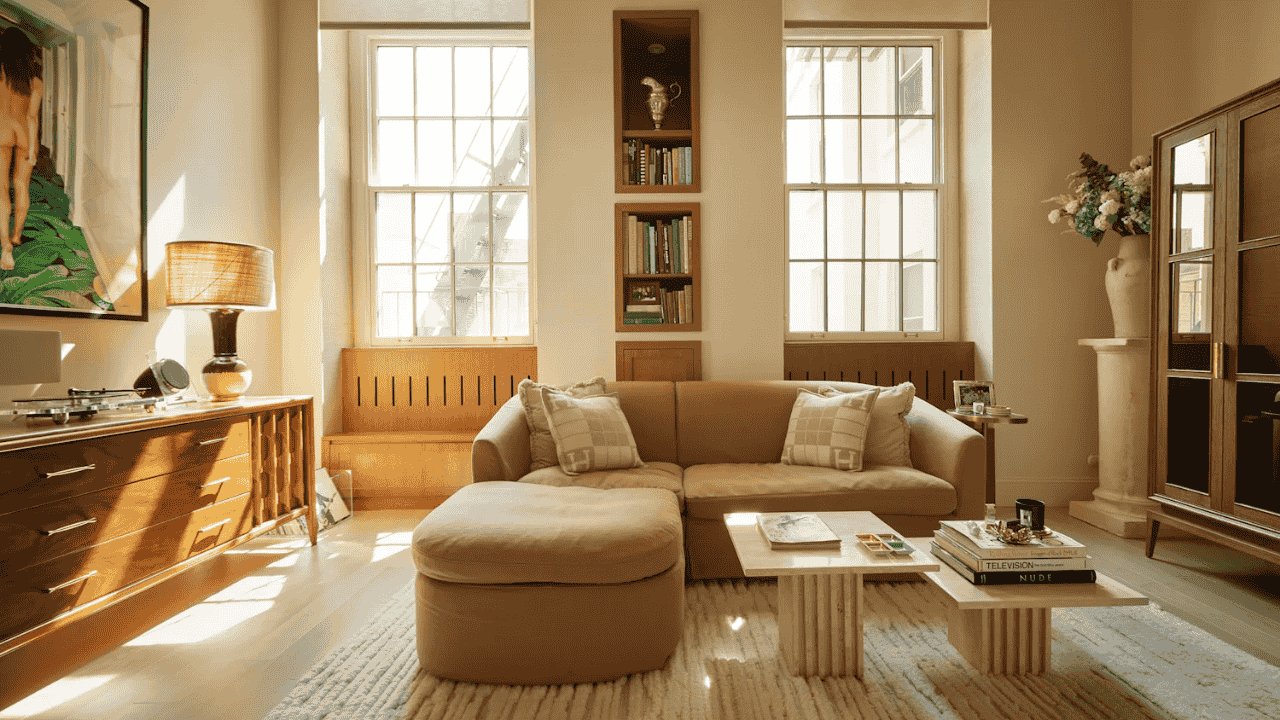
Natural daylight is one of the most important elements in interiors inspired by Studio Bryony Ella. Large windows, minimal window coverings, and reflective surfaces are often used to maximize sunlight within living spaces. Natural light creates a dynamic environment where colors and textures change throughout the day.
This approach also strengthens the connection between indoor spaces and the surrounding environment. Sunlight enhances natural materials such as wood floors or linen fabrics, making interiors feel warmer and more organic.
Layered Lighting
A key lighting principle used in these interiors is layering multiple light sources.
- Ambient Lighting – Provides overall illumination throughout the room.
- Task Lighting – Focused lighting for reading, working, or cooking.
- Accent Lighting – Highlights artwork or architectural details.
- Decorative Lighting – Pendant lights or sculptural fixtures that act as design features.
Layered lighting allows the room’s atmosphere to change with the time of day and activity. A living room may appear bright and functional during the day, but become warm and intimate in the evening.
Warm Tones
Color temperature is another essential factor in lighting design. Interiors influenced by Bryony Ella typically use warm lighting, creating a comfortable and welcoming environment. Warm bulbs enhance earthy color palettes and natural textures commonly found in these spaces.
Cool white lighting is usually avoided because it can make interiors feel sterile or overly bright. Instead, softer, warmer tones highlight wood surfaces, fabrics, and ceramic objects while maintaining a relaxed atmosphere.
Fixture Selection
Lighting fixtures themselves often become part of the design statement. Simple shapes, organic materials, and artistic forms are commonly chosen to complement the studio’s design aesthetic.
Handcrafted pendant lights, ceramic lamps, and woven light shades introduce subtle texture and character. These fixtures do more than provide illumination—they contribute to the room’s visual narrative.
Shadow Balance
An important yet often overlooked lighting principle involves the use of shadows. Balanced shadows add depth and dimension to interior spaces. When light interacts with textured materials such as stone walls or wooden surfaces, subtle shadow patterns create visual interest.
Instead of flooding a room with bright overhead lighting, softer directional lighting is used to shape the space. This technique adds warmth and prevents interiors from appearing flat or overly uniform.
Functional Lighting
Lighting should support everyday activities while maintaining aesthetic appeal.
- Reading Lamps – Positioned near seating areas for comfort.
- Kitchen Lighting – Focused task lighting for preparation areas.
- Hallway Lights – Soft fixtures guiding movement through spaces.
- Bedroom Lamps – Adjustable lighting for relaxation and reading.
Such practical lighting solutions ensure that the interior remains comfortable and efficient without sacrificing design quality.
Art Highlighting
Artwork often becomes a focal point in interiors inspired by Studio Bryony Ella. Carefully placed accent lighting can highlight paintings, sculptures, or decorative installations.
Wall-mounted spotlights or picture lights gently illuminate artwork without overwhelming the room. This technique allows creative pieces to stand out while maintaining the studio’s calm aesthetic.
Energy Efficiency
Modern lighting design also considers sustainability and energy efficiency. LED lighting solutions are often used because they consume less electricity while offering adjustable brightness and color temperature.
Efficient lighting systems reduce energy consumption while still maintaining the warm ambiance desired in interior spaces. Combining sustainable technology with thoughtful design supports both environmental responsibility and long-term practicality.
The Bottom Line
The lighting philosophy associated with Studio Bryony Ella demonstrates how thoughtful illumination can transform an interior space. By combining natural light, layered lighting sources, warm tones, and artistic fixtures, rooms become both functional and visually inspiring.
Guided by Bryony Ella’s creative perspective, this approach highlights how lighting can shape the atmosphere, enhance materials, and create a sense of calm elegance. When applied carefully, these lighting strategies transform ordinary interiors into timeless, welcoming environments.