Interior transformations often reveal how thoughtful design can dramatically improve both aesthetics and functionality. The projects associated with Studio Bryony Ella demonstrate how careful planning, artistic sensitivity, and natural materials can turn ordinary spaces into inspiring environments. Guided by Bryony Ella’s creative vision, these transformations focus on preserving character while introducing modern comfort.
The “before and after” process is not simply about visual change. It involves understanding how people interact with their homes and finding ways to enhance light, space, and atmosphere. By studying these design transformations, homeowners and designers can learn practical strategies for improving interior spaces while maintaining timeless elegance.
Table of Contents
Project Transformation Overview
| Design Stage | Description |
|---|---|
| Before Condition | Outdated layouts, dark interiors, or cluttered spaces |
| Design Approach | Balance between historic charm and modern simplicity |
| Key Improvements | Better lighting, open layouts, and natural materials |
| Style Direction | Calm, organic, and artistic interiors |
| Material Strategy | Wood, linen, ceramics, and stone textures |
| Final Result | Elegant spaces that feel bright, functional, and timeless |
Original Challenges
Many homes before renovation often suffer from limited natural light, outdated furniture arrangements, or inefficient room layouts. Interiors may feel cramped or disconnected, particularly in older houses where rooms were designed for different lifestyles. These issues can make even beautiful architecture appear dull or impractical.
Projects inspired by Studio Bryony Ella begin by identifying these challenges. Designers analyze how light enters the room, how people move through the space, and which architectural features should be preserved. This careful evaluation forms the foundation for meaningful transformation.
Layout Changes
One of the most noticeable improvements in many design transformations is the restructuring of interior layouts.
- Open Living Areas – Connect previously separate rooms to improve flow.
- Improved Circulation – Furniture placement allows easier movement.
- Flexible Zones – Spaces designed for multiple activities.
- Visual Balance – Removing unnecessary elements that create clutter.
Such changes make rooms feel larger and more comfortable. Even small adjustments to furniture placement or room orientation can significantly improve a space’s usability.
Material Updates
Material choices often define the difference between the “before” and “after” stages of a project. Older interiors may contain worn surfaces or mismatched materials that disrupt visual harmony.
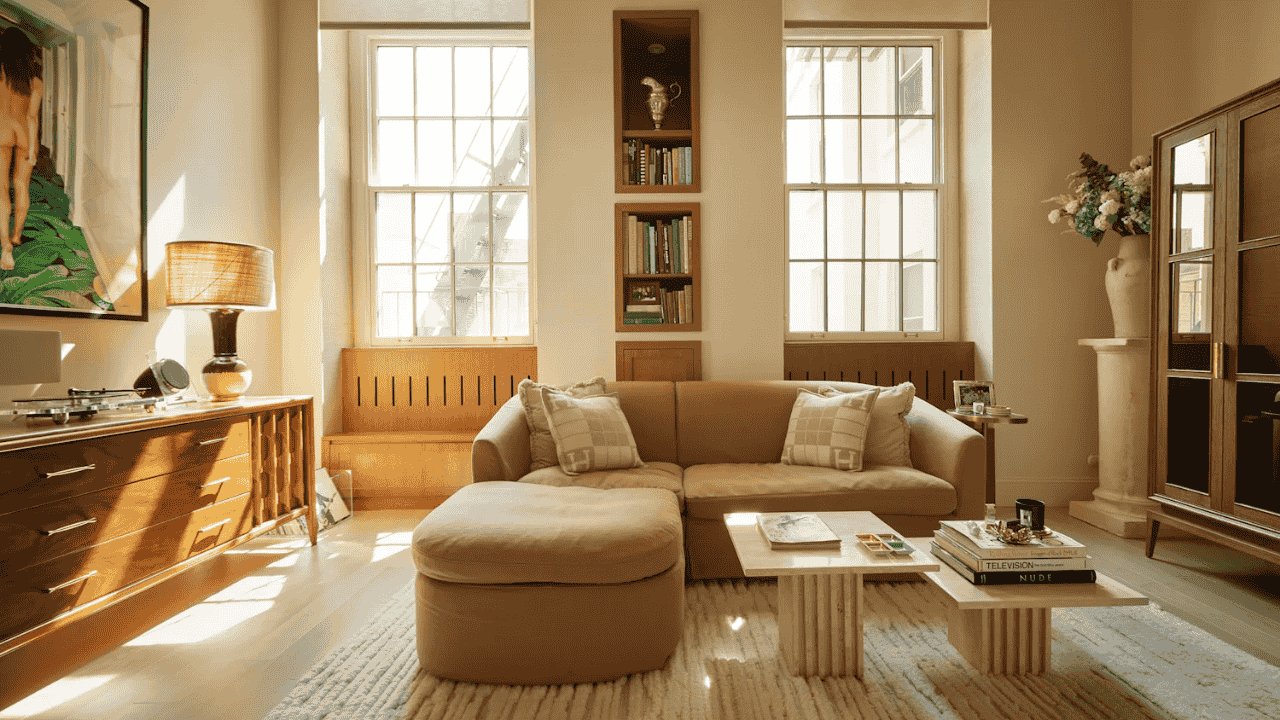
By incorporating natural materials such as wood, stone, and woven textiles, designers can create a more cohesive, timeless look. These materials also add warmth and authenticity to the space, aligning with Bryony Ella’s design philosophy.
Color Improvements
Color palettes frequently change dramatically during the transformation process. Dark or overly bold colors in older interiors may make rooms feel smaller and less inviting. Replacing these shades with softer neutrals and earthy tones helps brighten the space and enhance natural light.
Calm colors also highlight architectural features such as molding, beams, or fireplaces. Instead of competing with these details, the color scheme allows them to become part of the overall design story.
Lighting Enhancements
Lighting improvements often create some of the most dramatic differences between before-and-after images. Poor lighting can make even well-designed rooms appear dull or uncomfortable. By introducing layered lighting, designers create depth and flexibility in the atmosphere.
Floor lamps, wall lights, and pendant fixtures provide multiple sources of illumination. Combined with natural daylight, these layers ensure the room feels bright during the day and cozy in the evening.
Artistic Details
Art and decorative objects add personality and emotional depth to renovated interiors.
- Nature-Inspired Artwork – Paintings reflecting organic forms or landscapes.
- Handmade Ceramics – Unique pieces adding artistic charm.
- Textured Fabrics – Cushions and throws create warmth.
- Indoor Plants – Natural greenery enhances freshness.
These details help transform a simple renovation into a meaningful living environment. Artistic elements also reinforce the connection between design and creative expression.
Functional Benefits
The success of a renovation is not measured only by appearance but also by how well the space supports everyday living. After transformation, interiors typically offer better organization, improved comfort, and greater flexibility.
Storage solutions, multifunctional furniture, and improved lighting all contribute to a more practical home environment. These functional improvements ensure that the design’s beauty also supports long-term usability.
Design Lessons
Several valuable lessons can be learned from transformation projects inspired by Studio Bryony Ella.
- Respect Existing Architecture – Preserve original features whenever possible.
- Focus on Natural Materials – Authentic textures add warmth and longevity.
- Use Balanced Lighting: combine natural and artificial light sources.
- Keep Design Intentional – Avoid overcrowding spaces with unnecessary décor.
Applying these principles allows homeowners to achieve elegant transformations without losing the character of their space.
Parting Insights
The “before and after” transformations associated with Studio Bryony Ella highlight the power of thoughtful design. By combining natural materials, balanced lighting, and artistic details, ordinary interiors can become calm and inspiring living spaces.
Guided by Bryony Ella’s creative perspective, these projects demonstrate that successful renovation is not about dramatic decoration but about understanding how light, materials, and human experience converge within a space. The result is a timeless interior that feels both beautiful and deeply functional.