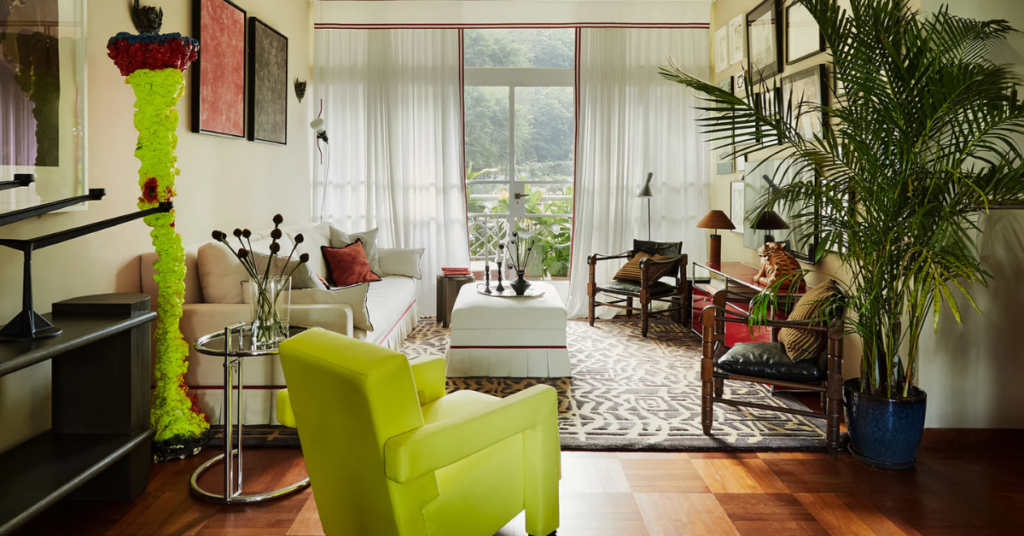
Luxury interiors often appear effortless, yet their elegance usually comes from a combination of thoughtful design decisions rather than simply expensive furniture. Interior designers who specialize in refined residential spaces often rely on subtle techniques that create an elevated atmosphere. These techniques include high-quality materials, balanced color palettes, and careful attention to craftsmanship.
Design approaches associated with studios like Bryony Ella focus on authenticity, individuality, and layered design elements. Many projects aim to create spaces that feel warm and personal while maintaining a sense of sophistication and harmony. Emphasis on craftsmanship, thoughtful composition, and blending old with new elements often contributes to the luxurious feel of these interiors.
Table of Contents
Luxury Design Factors Overview
| Aspect | Details |
|---|---|
| Core Style | Timeless interiors with understated elegance |
| Material Focus | Natural materials and high-quality finishes |
| Design Philosophy | Blend of heritage character and modern comfort |
| Luxury Technique | Subtle layering of textures and decor |
| Key Result | Spaces that feel refined yet comfortable |
Material Quality
One of the biggest reasons certain interiors appear expensive is the use of high-quality materials. Natural materials such as solid wood, stone, linen, and handcrafted ceramics create a sense of depth and authenticity that synthetic materials often lack.
High-end interiors frequently rely on materials that age well and develop character over time. These materials provide both visual richness and durability, making the space feel more substantial and thoughtfully designed. Designers often choose finishes carefully so that every surface—from flooring to cabinetry—contributes to the overall aesthetic.
Craftsmanship Focus
Luxury interiors often highlight the value of craftsmanship. Custom cabinetry, bespoke joinery, and handmade furniture add precision and uniqueness that mass-produced items rarely achieve.
For example, custom joinery designed specifically for a home can include perfectly fitted storage units, tailored wardrobes, or custom shelving. High-quality craftsmanship improves functionality while also elevating the visual appearance of the space. Well-crafted joinery and bespoke kitchens are often considered worthwhile investments because they combine durability with refined detail.
Layered Textures
- Linen fabrics soften furniture and window treatments.
- Woven rugs add warmth and grounding to floors.
- Ceramic accessories introduce handcrafted character.
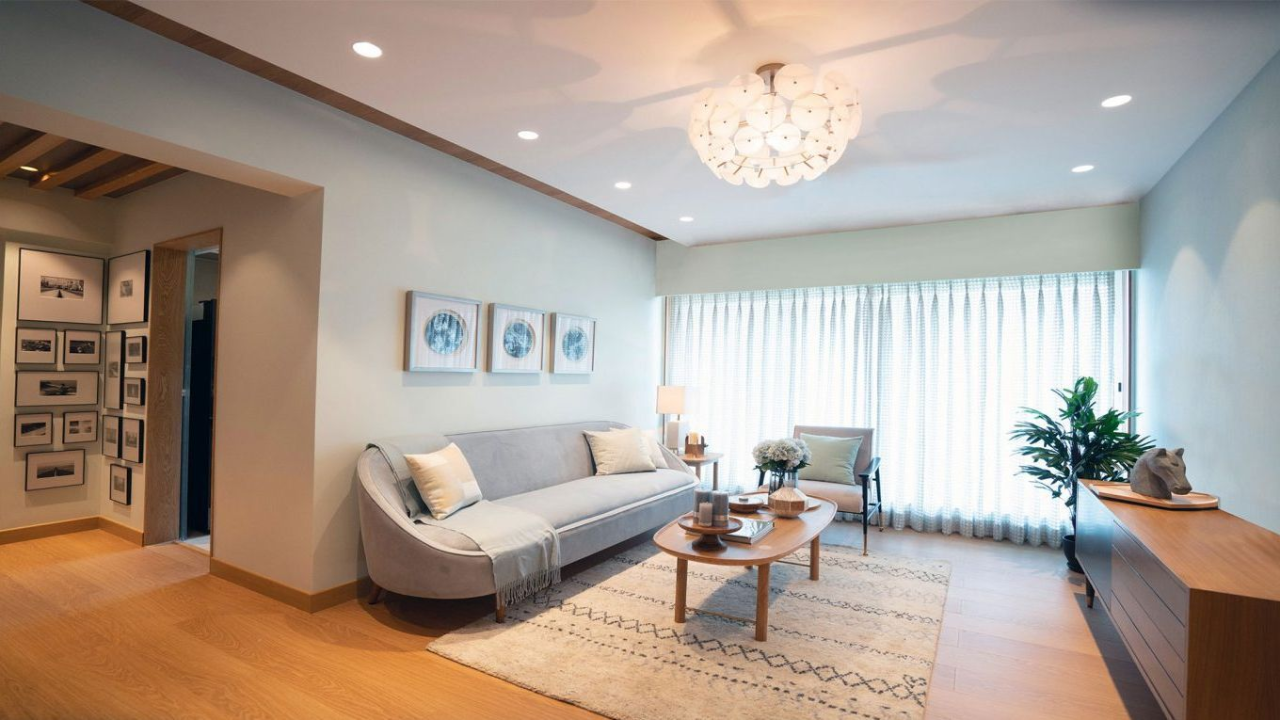
Neutral interiors can sometimes feel flat without variation in materials. Designers solve this by layering textures throughout the room. Mixing fabrics, wood surfaces, stone finishes, and decorative accessories adds depth without making the space visually busy.
Layering textures also enhances how light interacts with surfaces. Soft fabrics absorb light, while polished materials reflect it, creating a dynamic and sophisticated visual effect.
Balanced Colors
- Soft neutrals create calm and adaptable spaces.
- Muted tones help architectural features stand out.
- Subtle color contrasts maintain visual harmony.
Color palettes play a crucial role in shaping how expensive an interior appears. Many designer interiors use restrained palettes dominated by soft neutrals such as ivory, warm grey, taupe, and muted greens.
These colors create a timeless foundation that allows furniture, artwork, and architectural details to become focal points. Instead of relying on bold trends, designers often select colors that remain elegant for many years.
Vintage Mixing
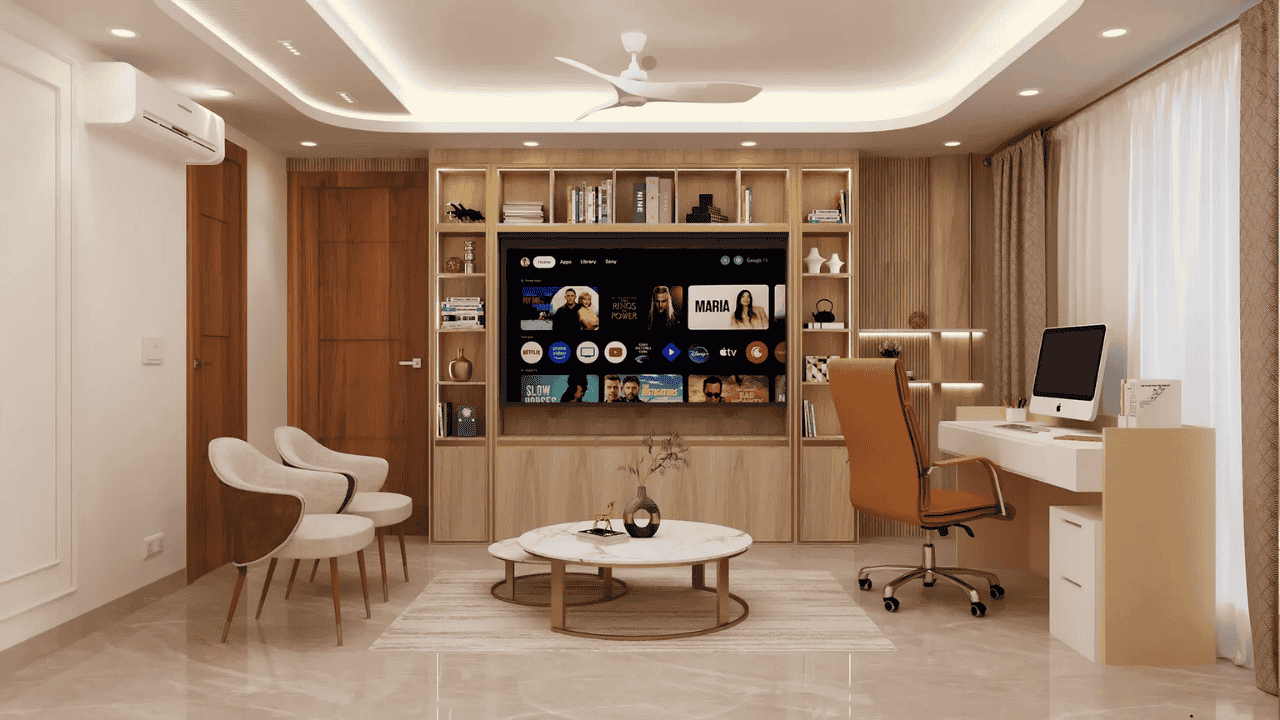
Another characteristic of refined interiors is the combination of old and new furniture pieces. Designers often mix antique or vintage items with contemporary elements to create a layered and collected appearance.
Vintage pieces introduce history and personality into the space. When paired with modern lighting or minimal furniture, they create contrast and visual interest. This curated mix prevents interiors from feeling overly staged or generic.
Thoughtful Lighting
Lighting is one of the most powerful tools used in luxury interior design. Instead of relying on a single ceiling fixture, designers often create layered lighting systems.
These systems usually include:
- Ambient lighting for overall illumination
- Task lighting for reading or working
- Decorative lighting that acts as a visual focal point
Warm lighting tones enhance the atmosphere and highlight textures within the room. Carefully positioned lamps and fixtures can dramatically improve how a space feels.
Spatial Planning
Luxury interiors are rarely overcrowded. Professional designers often focus on spatial balance by leaving intentional breathing space between furniture and decor.
This approach improves both visual harmony and practical movement within the room. Rooms feel larger, calmer, and more organized when furniture placement follows a well-planned layout. Proper spatial planning is often one of the subtle details that separates professionally designed interiors from typical home decor.
Curated Styling
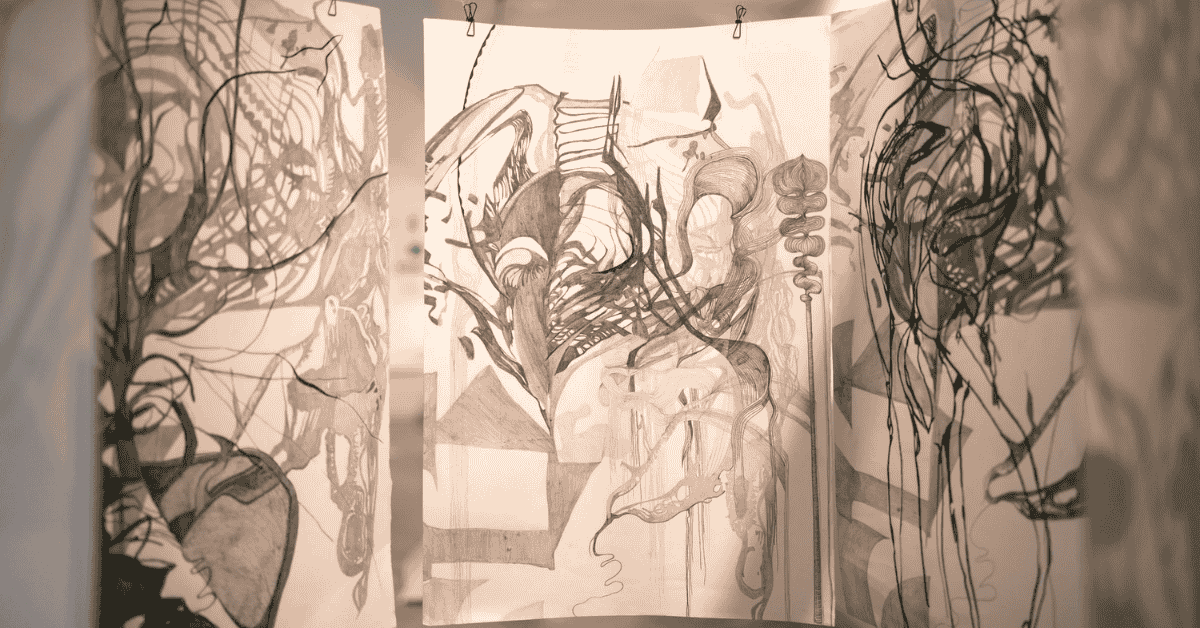
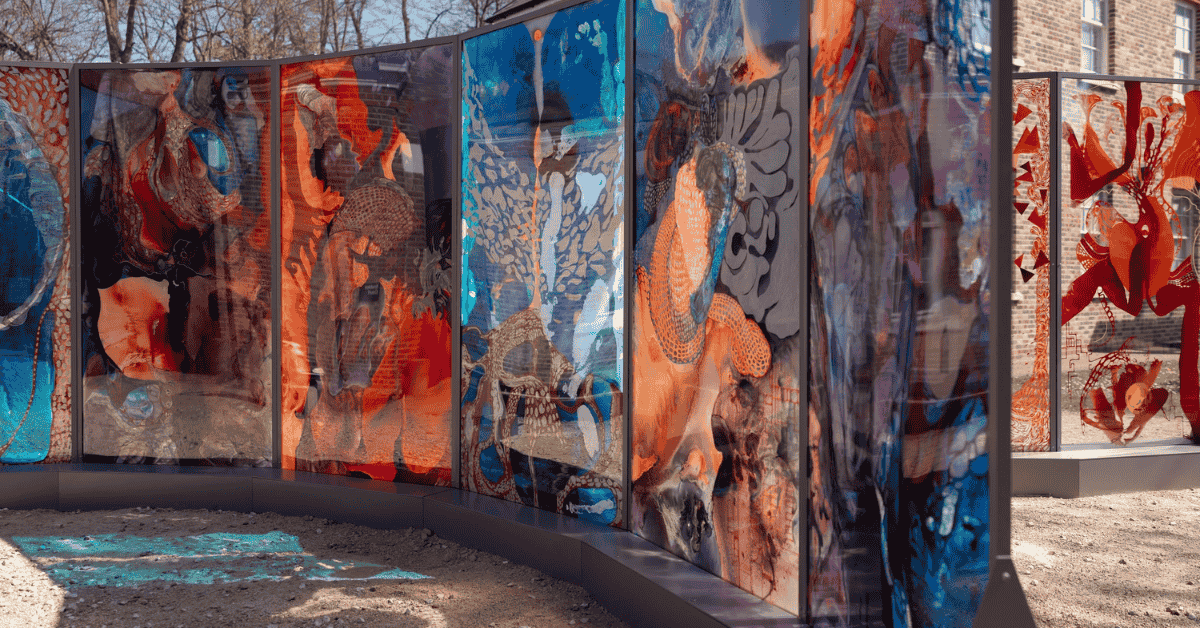
Decorative accessories also contribute to the sense of luxury in a room. However, the key is curation rather than quantity. Designers typically select a few meaningful objects—such as artwork, books, and ceramics—rather than filling every surface.
Carefully arranged groupings create visual rhythm and highlight the personality of the homeowner. This styling approach allows each object to stand out while maintaining a clean and balanced aesthetic.
Design Harmony
Luxury interiors often succeed because every element works together cohesively. Materials, furniture shapes, colors, and lighting are carefully coordinated so that the space feels unified.
Designers typically create this harmony through detailed planning during the early stages of a project. Mood boards, material samples, and layout plans help ensure that each design decision contributes to the overall atmosphere.
Final Analysis
The expensive feel of interiors associated with Studio Bryony Ella does not come from a single design feature. Instead, it results from a combination of thoughtful design strategies—quality materials, skilled craftsmanship, layered textures, and balanced color palettes.
These elements work together to create spaces that feel calm, refined, and timeless. By focusing on subtle details rather than dramatic decoration, designers can transform ordinary rooms into interiors that convey sophistication and lasting elegance.