Creative studios often follow a structured process when developing a design or art-led project. Even when the final result appears effortless, the journey from initial idea to completed project usually involves research, concept development, collaboration, and execution. Studios that work at the intersection of art, environment, and design often add additional stages that involve experimentation and creative exploration.
Projects associated with Studio Bryony Ella typically follow a layered creative process shaped by artistic research and collaboration. The studio frequently works with scientists, cultural institutions, and communities to create projects inspired by ecological and social themes.
Understanding the typical project timeline helps clients anticipate how ideas evolve and how long different stages may take.
Table of Contents
Project Timeline Overview
| Phase | Typical Focus |
|---|---|
| Initial Brief | Understanding client goals and project vision |
| Creative Research | Exploring environmental, artistic, or conceptual inspiration |
| Concept Development | Creating themes, sketches, and design directions |
| Design Planning | Materials, collaboration planning, and technical details |
| Production Phase | Artwork creation, installations, or spatial design |
| Final Delivery | Project completion, installation, and presentation |
Initial Consultation
The first stage of any project usually begins with a consultation between the client and the studio. During this phase, the primary goal is to understand the purpose of the project and the story the client wants to communicate.
Discussions typically cover project goals, location details, budget expectations, and potential timelines. This stage also allows the studio to explore whether the project aligns with its artistic vision and environmental focus. Establishing clarity early helps both sides define expectations and avoid misunderstandings later in the process.
Research Phase
Creative research plays an especially important role in projects associated with Bryony Ella’s practice. Many of her works are inspired by environmental science, ecology, and community narratives.
The studio often collaborates with academic institutions, museums, and environmental organizations to explore research themes before developing the final concept. For example, her interdisciplinary work frequently involves partnerships with scientists and cultural institutions to explore ecological storytelling and public engagement.
This research stage can take several weeks or months, depending on the complexity of the project.
Concept Development
- Creative sketches and visual ideas are created.
- Narrative themes and artistic direction are explored.
- Early design concepts are presented for feedback.
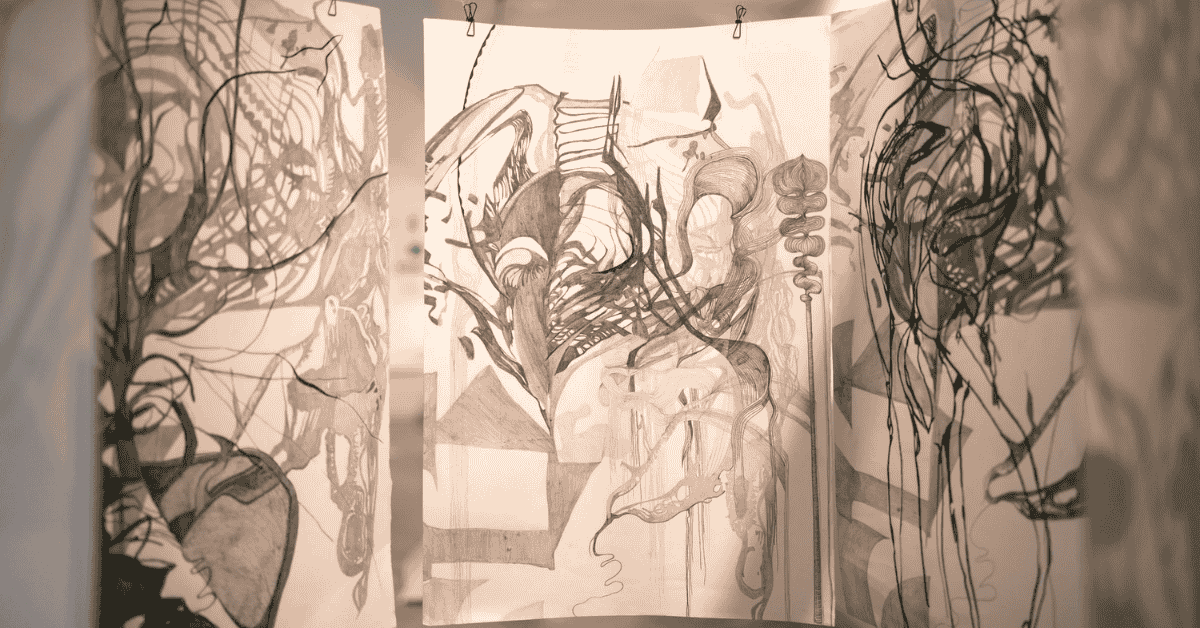
During the concept stage, the studio begins translating research and client ideas into visual concepts. This might include sketches, mood boards, storytelling frameworks, or early spatial designs.
Concept development is often collaborative. Clients may review the ideas and provide feedback before the project moves into the next stage. Adjustments are common at this point, ensuring that the final direction reflects both artistic vision and client objectives.
Design Planning
- Material selection and production planning
- Collaboration with artists, performers, or specialists
- Technical drawings or project logistics
Once a concept is approved, the studio moves into detailed planning. This stage focuses on practical decisions required to bring the project to life.
For example, installations may require selecting materials, coordinating with builders or technicians, and planning logistics for the installation space. When projects involve performances, digital artwork, or collaborative installations, this phase also includes scheduling creative teams and planning rehearsals or production timelines.
Production Stage
The production phase is where the project physically begins to take shape. Depending on the nature of the work, this stage may involve painting, sculpture creation, digital media production, or installation preparation.
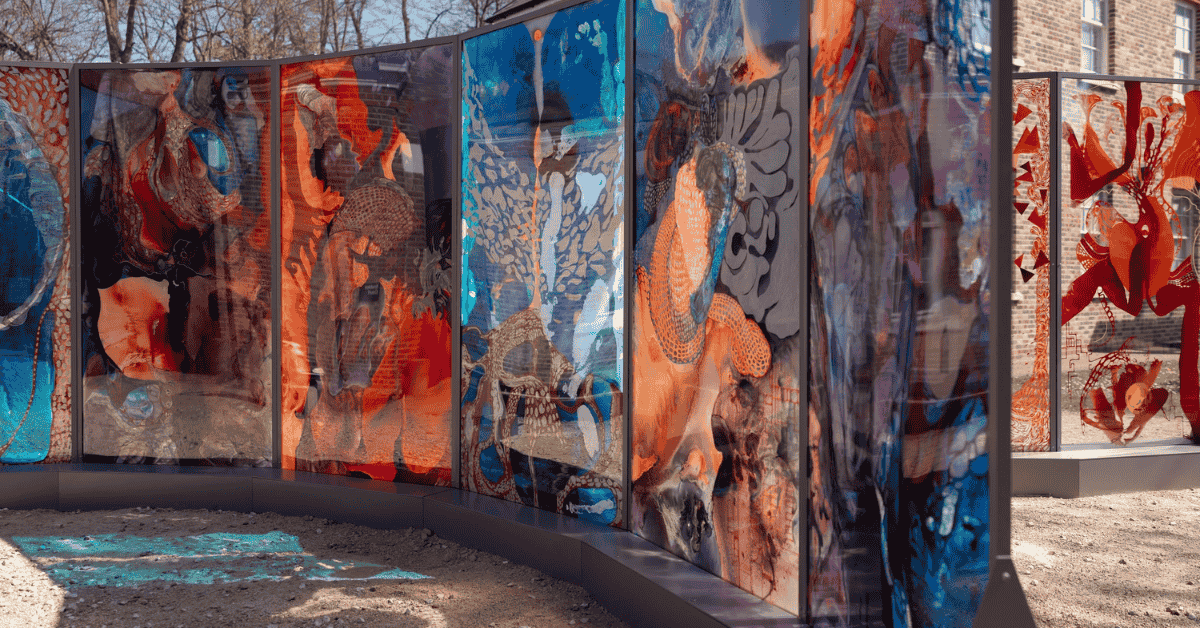
Bryony Ella’s interdisciplinary practice often includes painting, installation art, and collaborative performances. Her projects have appeared in museums, galleries, public spaces, and festivals around the world.
Production timelines vary widely. Smaller artworks might take several weeks, while large public installations or collaborative art projects can require several months.
Collaboration Process
- Partnerships with scientists or researchers
- Engagement with local communities or institutions
- Collaboration with performers, filmmakers, or designers
One distinctive aspect of Studio Bryony Ella’s projects is the emphasis on collaboration. Many works are developed through partnerships with academic researchers, environmental organizations, or local communities.
For example, projects connected to environmental research have involved institutions such as universities and ecological organizations. These collaborations allow the studio to combine artistic creativity with scientific insight.
This collaborative process often enriches the project while also extending the timeline slightly due to coordination between multiple contributors.
Installation Delivery
The final stage focuses on delivering and presenting the completed project. This may involve installing artwork in a gallery, unveiling a mural in a public space, or launching a performance-based installation.
The studio typically oversees this stage to ensure the creative vision is accurately realized. Lighting, spatial placement, and presentation details are carefully managed so that the finished project creates the intended visual and emotional impact.
Once the installation is complete, projects may also be documented through photography, film, or exhibitions to share the work with broader audiences.
Client Communication
Throughout the entire timeline, communication between the studio and the client remains essential. Regular updates help ensure that expectations remain aligned as the project evolves.
Clients may receive progress updates, concept revisions, or milestone presentations during different phases of the project. This transparent communication process allows clients to remain involved while still giving the studio creative freedom to develop ideas.
Final Analysis
Studio Bryony Ella projects typically follow a structured yet creative timeline that moves from consultation and research to concept development, production, and final installation. The studio’s interdisciplinary approach means that projects often include research collaborations, artistic experimentation, and community engagement.
While timelines vary depending on the scale of the project, the process emphasizes thoughtful development and meaningful storytelling. For clients interested in art-driven design and environmental narratives, this approach creates projects that feel both visually striking and conceptually powerful.