Booking a creative studio for an art or design project usually involves several stages, from initial inquiry to project approval. Studios that combine art, research, and installations—like Studio Bryony Ella—often use a collaborative process where the client and the artist work together to shape the final idea.
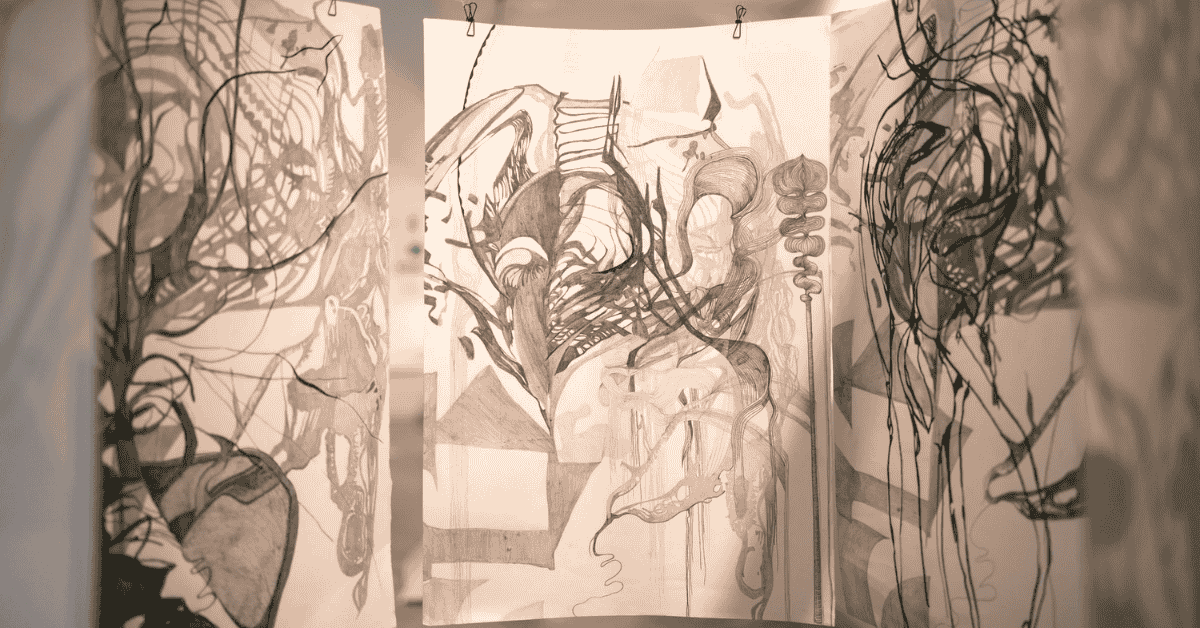
Studio Bryony Ella operates as an interdisciplinary art practice that develops installations, paintings, performances, and public art projects inspired by ecology and science. The studio regularly collaborates with institutions, researchers, and community groups to create projects that explore relationships between humans and the natural world.
For individuals, organizations, or cultural institutions interested in commissioning work, understanding the booking process helps ensure a smooth collaboration.
Table of Contents
Booking Process Overview
| Step | What Happens |
|---|---|
| Project Inquiry | Contact the studio with project details |
| Initial Discussion | Share goals, timeline, and location |
| Concept Proposal | Studio develops creative direction |
| Agreement Stage | Budget, timeline, and deliverables confirmed |
| Project Development | Research, collaboration, and production |
| Final Delivery | Installation, exhibition, or presentation |
Project Inquiry
The first step in booking Studio Bryony Ella is submitting a project inquiry. This usually involves reaching out through the studio’s contact form or communication channels and providing a brief overview of the proposed project.
Potential clients typically include cultural organizations, universities, councils, galleries, and environmental groups interested in commissioning artwork or installations. The inquiry should outline the project’s purpose, intended location, approximate timeline, and whether the work is for a public exhibition, installation, or research collaboration. The studio provides a dedicated contact form for project inquiries where potential collaborators can introduce their ideas.
Providing clear information during this stage helps the studio quickly determine whether the project aligns with its creative focus.
Initial Consultation
Once the studio reviews the inquiry, an initial consultation may be scheduled. This discussion allows both the client and the studio to explore the project in greater detail.
During the consultation, topics often include project goals, audience, scale, location, and any environmental or cultural themes relevant to the work. Since the studio frequently develops projects connected to ecological storytelling or research collaborations, this stage may also explore potential partnerships with scientists, researchers, or community groups.
The consultation ensures that expectations are clear before the creative process begins.
Proposal Development
- Concept sketches or artistic themes
- Initial timeline for development
- Rough cost estimates and resource planning
After the consultation, the studio may develop a proposal outlining the artistic direction and scope of the project. This proposal typically includes conceptual ideas, potential materials, and an outline of how the work might be presented.
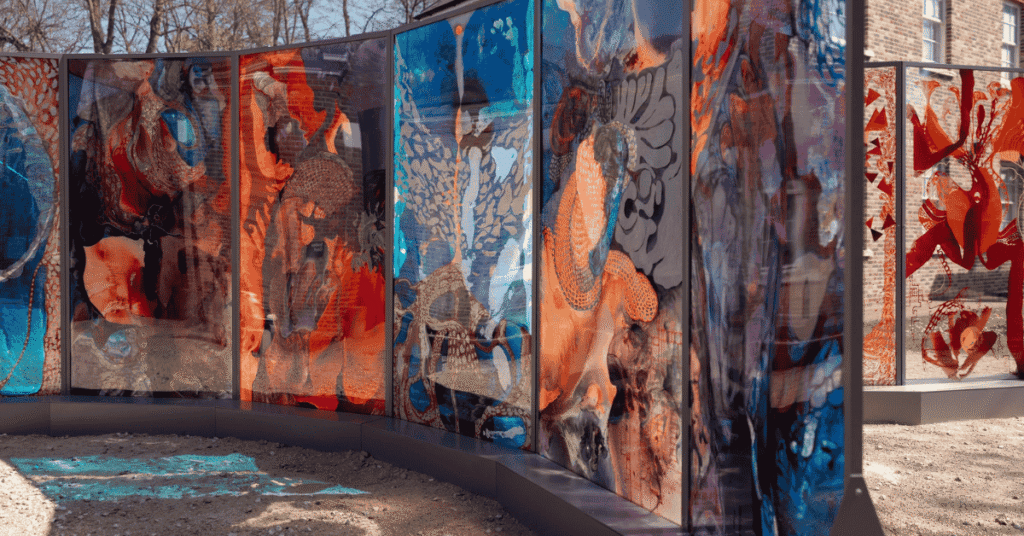
For public installations or large creative projects, the proposal may also describe how the project will engage audiences or communities. Some projects include participatory elements where members of the public contribute ideas or collaborate in workshops.
Budget Planning
- Commission fees for the artist or studio
- Material and production costs
- Installation or exhibition logistics
Budget discussions usually follow once the concept is approved. Because projects vary widely—from paintings to large public installations—costs depend on the scale, materials, and collaborators involved.
Organizations commissioning public artworks may also include additional funding sources such as cultural grants or institutional support. Confirming the budget early ensures that the project remains realistic and achievable.
Contract Agreement
Once both sides agree on the concept and budget, a formal agreement is typically prepared. This contract outlines project milestones, payment schedules, intellectual property rights, and delivery timelines.
Contracts also clarify responsibilities related to production, installation, and documentation of the artwork. This stage protects both the client and the studio by establishing clear expectations before work begins.
Project Creation
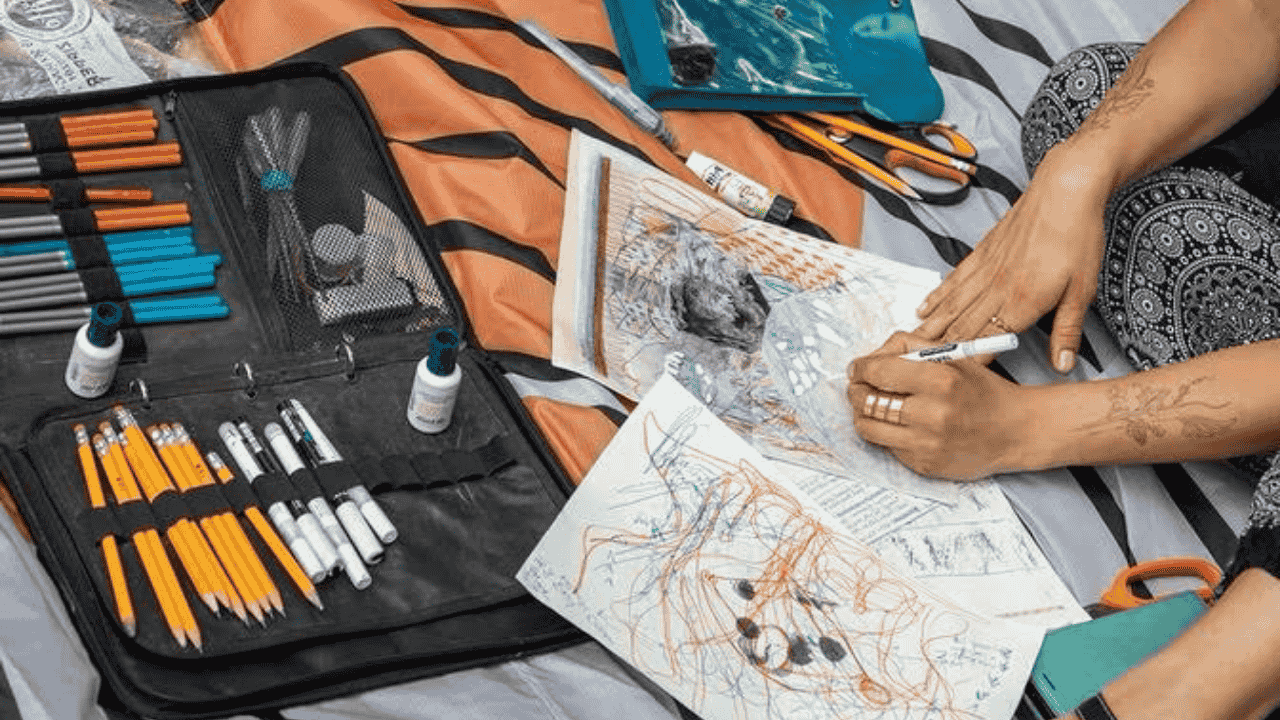
The creative phase begins after the contract is finalized. Depending on the project, this stage may involve studio painting, collaborative research, digital production, or large-scale installation preparation.
Bryony Ella’s projects often incorporate interdisciplinary collaboration with academics, environmental researchers, and creative practitioners. Her work has been presented in museums, galleries, festivals, and public spaces internationally, reflecting the broad scope of projects the studio undertakes.
The creation stage can last several weeks or months, depending on complexity.
Installation Process
- Transporting artworks or installation materials
- Preparing the exhibition or public space
- Coordinating lighting and presentation
If the project involves a physical installation or exhibition, the final stage includes on-site preparation and setup. The studio typically oversees this phase to ensure the artwork is presented exactly as intended.
For public installations, the process may also involve coordination with local authorities, cultural organizations, or event organizers.
Client Collaboration
A distinctive aspect of Studio Bryony Ella projects is the collaborative nature of the creative process. Many works are developed with scientists, cultural institutions, and community participants.
This collaborative approach allows projects to combine art with research and storytelling. It also ensures that the final artwork reflects both artistic vision and the context of the location or community involved.
Moving Forward
Booking Studio Bryony Ella for a project typically begins with a simple inquiry and develops into a collaborative creative journey. From initial consultation to concept development and final installation, the process emphasizes research, storytelling, and interdisciplinary collaboration.
For organizations seeking artwork that combines environmental themes, science engagement, and contemporary artistic expression, working with the studio offers the opportunity to create meaningful projects that connect audiences with nature, culture, and creative exploration.