Creative design studios rarely jump straight from idea to finished project. Behind every successful interior or artistic installation lies a structured process that transforms inspiration into a tangible result. Professional studios rely on clear stages such as research, concept development, planning, and execution to maintain both creativity and efficiency.
Studio Bryony Ella follows a layered creative approach where art, environmental awareness, and design thinking intersect. Projects developed through the studio often blend conceptual research with practical design strategies, resulting in interiors or installations that feel thoughtful and distinctive. Understanding this step-by-step process helps clients see how ideas evolve from early discussions to a finished space.
Table of Contents
Process Overview
| Stage | Description |
|---|---|
| Discovery Meeting | Understanding the client’s goals and project vision |
| Research Phase | Exploring creative inspiration and environmental context |
| Concept Creation | Developing themes, sketches, and visual direction |
| Design Planning | Selecting materials, layouts, and technical details |
| Production Work | Creating furniture, artwork, or installation elements |
| Project Installation | Final setup and presentation of the finished design |
Discovery Meeting
The first stage in the design process focuses on understanding the client’s needs and expectations. During the discovery meeting, the studio gathers information about the property, project goals, and design preferences. This conversation forms the foundation for every decision that follows.
Clients often share inspiration images, lifestyle needs, and practical requirements for the space. The studio evaluates how the design should function while also considering the emotional atmosphere the client wants to create. By the end of this stage, both sides typically have a clearer vision of the project’s scope and timeline.
Context Research
Research is an essential step in the studio’s creative process. Instead of relying solely on design trends, the studio often studies environmental context, architectural details, and cultural influences surrounding the project.
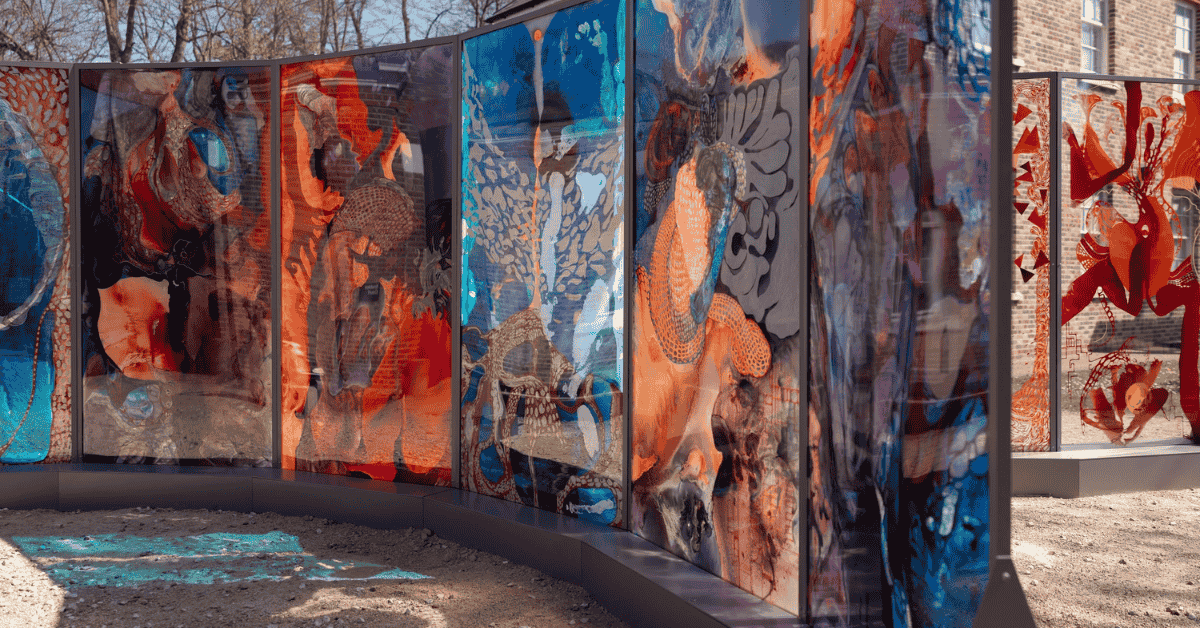
For example, if the project involves a historic home, research may focus on preserving original features while introducing modern design elements. In projects connected to environmental storytelling or public installations, research might include collaboration with academics, scientists, or cultural organizations. This stage ensures that every design decision is grounded in meaningful context.
Concept Creation
- Development of initial design ideas
- Creation of mood boards and visual references
- Exploration of color palettes and spatial themes
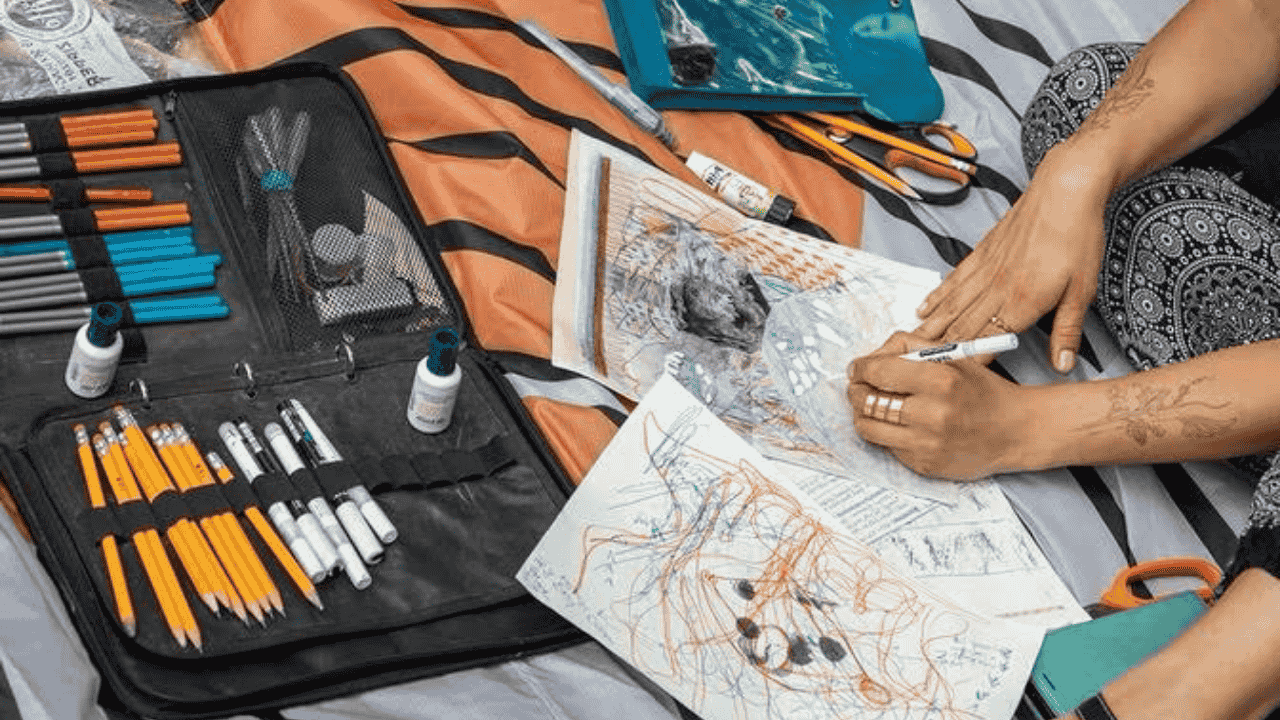
After the research is complete, the studio begins translating ideas into visual concepts. Designers create mood boards, sketches, and digital models that represent the overall direction of the project. These concepts illustrate how furniture, materials, and lighting may work together.
Clients review these concepts and provide feedback before the project moves forward. This collaborative stage allows the design to evolve while ensuring that the client remains involved in shaping the outcome.
Design Planning
- Furniture layout and spatial planning
- Material selection and finish coordination
- Lighting concepts and decorative elements
Once the concept is approved, detailed planning begins. Designers prepare layout drawings that show the placement of furniture, fixtures, and architectural features. Material samples are also reviewed to confirm colors, textures, and finishes.
This phase often includes selecting fabrics, flooring, wall treatments, and lighting fixtures. The goal is to ensure that every element works harmoniously within the overall design concept while maintaining functionality for daily living.
Material Sourcing
Luxury interior projects often involve sourcing high-quality materials and custom pieces. The studio may work with specialized suppliers, artisans, and manufacturers to obtain unique furniture or bespoke finishes.
Custom cabinetry, handcrafted furniture, and curated décor pieces may be commissioned during this stage. These items help create the distinctive character often associated with boutique design studios. Careful sourcing also ensures that materials meet both aesthetic and durability requirements.
Production Phase
Once materials and furniture are selected, production begins. This stage includes manufacturing custom pieces, preparing artwork, and coordinating with craftsmen who contribute to the project.
For projects involving installations or large-scale design elements, fabrication and testing may occur in workshops before the pieces are transported to the final location. The studio typically oversees this stage closely to maintain design quality and accuracy.
Project Coordination
- Coordination with contractors and builders
- Scheduling deliveries and installations
- Monitoring progress and quality control
Interior design projects often require collaboration with multiple professionals. Builders, electricians, carpenters, and decorators may all be involved in implementing the design plan.
The studio helps coordinate these teams so that every part of the project aligns with the original concept. Proper project management ensures that construction timelines remain on track and that design details are executed correctly.
Installation Stage
The installation stage is where the design finally comes together. Furniture is delivered, lighting is installed, and decorative elements are arranged within the space.
Designers carefully position each element to achieve balance and visual harmony. Small adjustments may be made during installation to improve the overall layout or lighting atmosphere. This stage often transforms the space dramatically as all design components are assembled.
Styling Completion
- Placement of artwork and decorative objects
- Arrangement of textiles such as cushions and rugs
- Final lighting adjustments for ambience
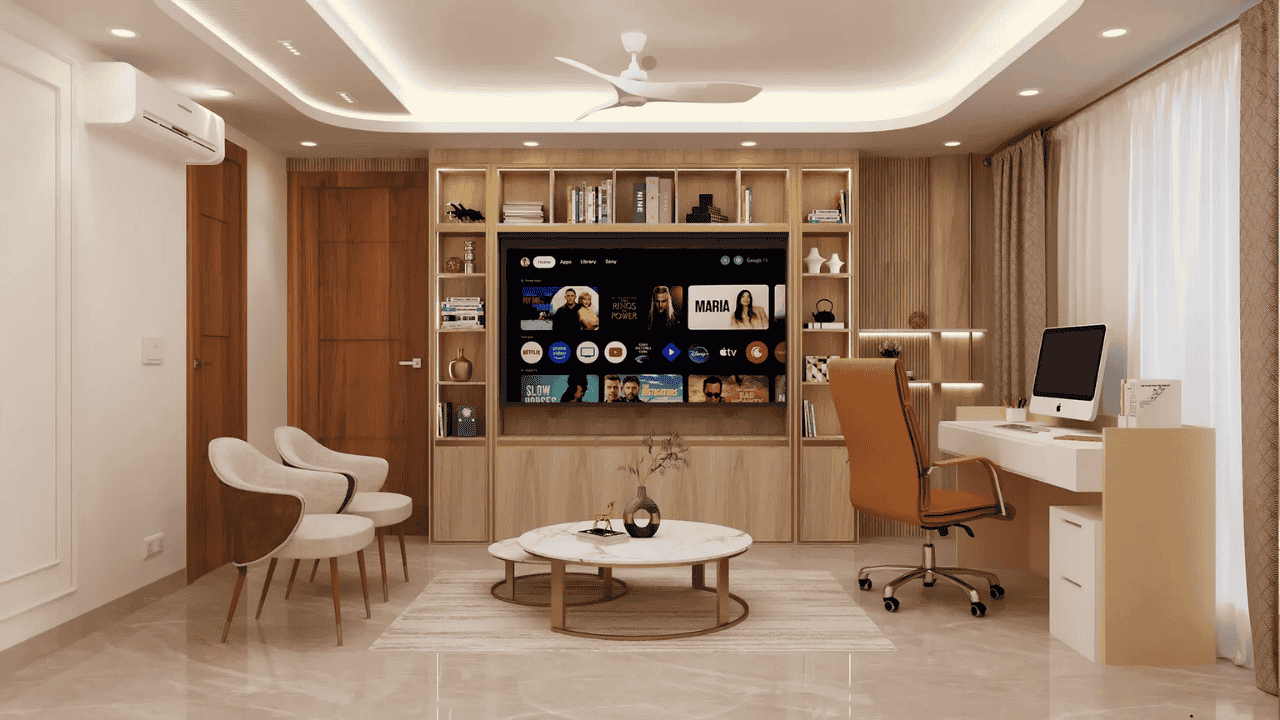
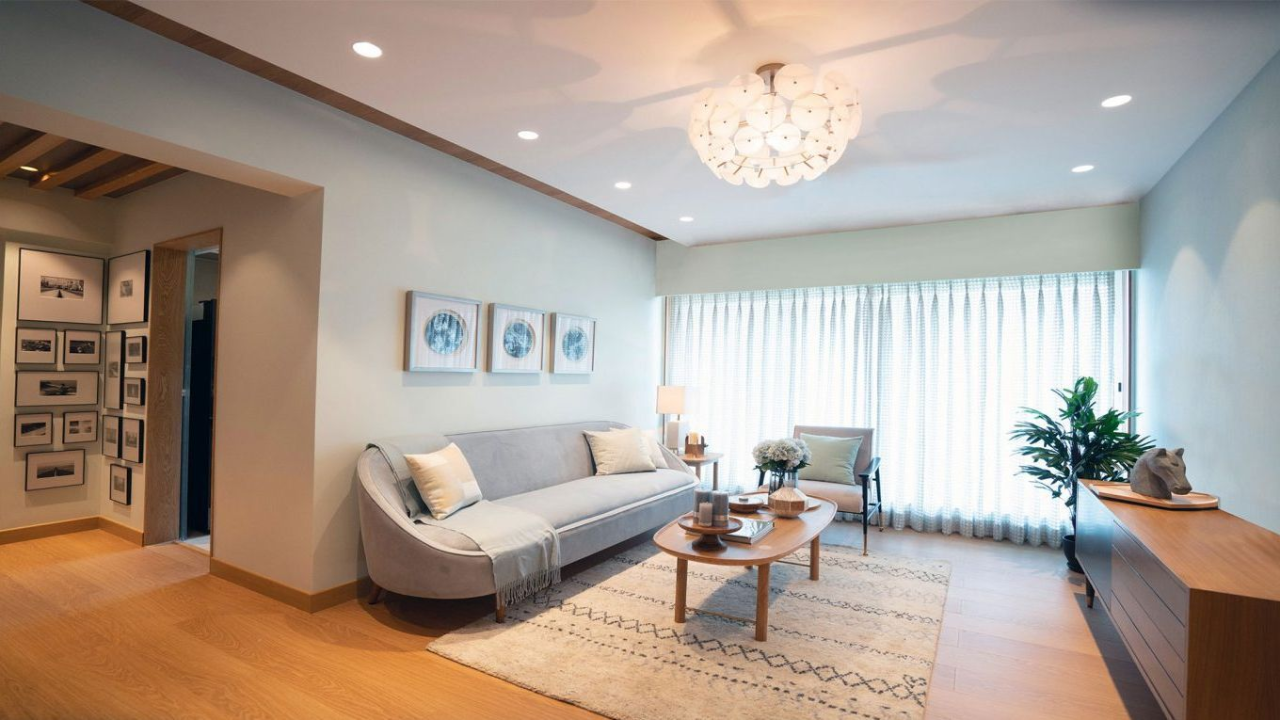
Final styling is the finishing touch that gives a designer’s interior its polished look. Designers curate accessories such as books, ceramics, plants, and sculptures to add personality and warmth to the space.
This stage may seem subtle, but it plays an important role in creating the sophisticated atmosphere associated with high-end interiors. Carefully selected décor pieces help tie together the colors, textures, and materials used throughout the project.
Final Thoughts
The Studio Bryony Ella design process follows a structured path that balances creativity with practical planning. From the initial discovery meeting to the final styling stage, every step focuses on creating spaces that feel thoughtful, refined, and personalized.
By combining research, concept development, high-quality materials, and collaborative project management, the studio ensures that each project evolves into a cohesive and visually engaging environment. For clients seeking distinctive interiors or artistic design experiences, this step-by-step approach provides both clarity and confidence throughout the creative journey.