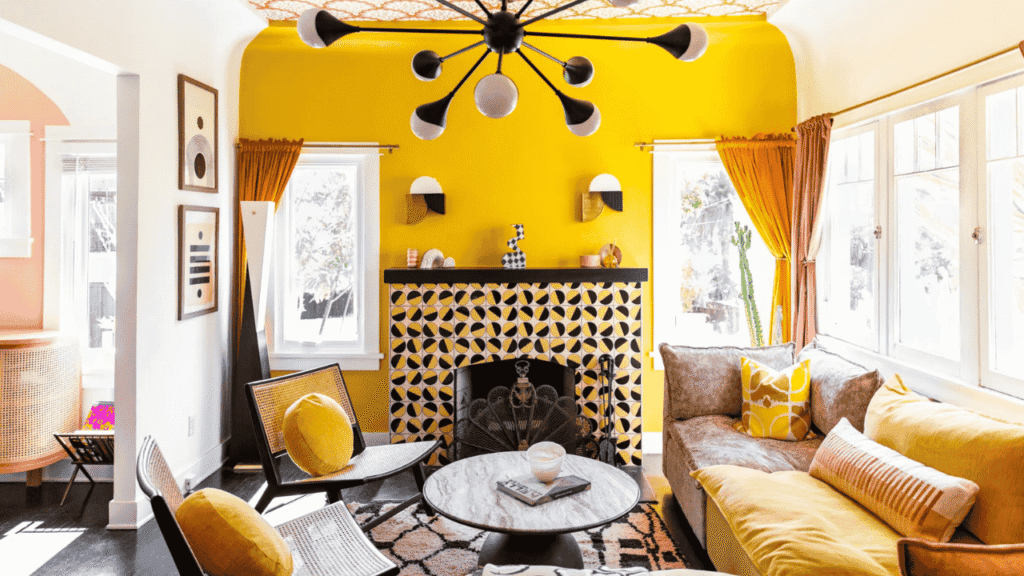
Interior styling often looks effortless in professionally designed homes, but many of the techniques used by designers can actually be recreated with simple DIY ideas. Design studios known for elegant and balanced interiors frequently rely on small styling tricks rather than expensive renovations. With the right approach, homeowners can apply similar concepts to create sophisticated and welcoming spaces without major investment.
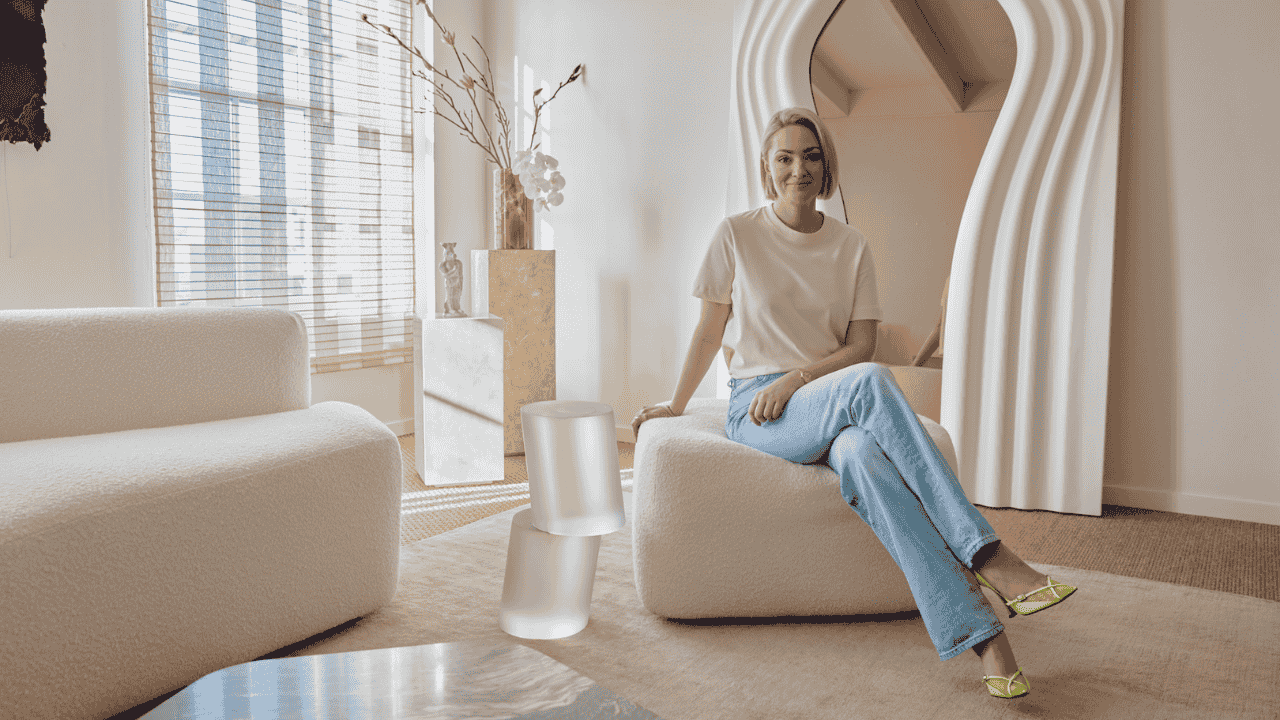
Studio Bryony Ella’s design philosophy focuses on blending timeless character with modern comfort. Many of their interiors demonstrate how thoughtful layering, clever furniture placement, and subtle decorative choices can transform everyday rooms. By understanding these methods, anyone can improve their home’s visual appeal through accessible styling techniques.
Table of Contents
Design Overview
| Aspect | Details |
|---|---|
| Design Style | Timeless interiors mixed with modern elements |
| Key Focus | Balance, texture, and functional beauty |
| DIY Approach | Simple upgrades using accessible materials |
| Main Elements | Lighting, textiles, accessories, and layout |
| Goal | Create elegant spaces without major renovations |
Color Balance
Color selection plays a critical role in shaping the atmosphere of a room. Instead of relying on bold or overly complex palettes, many contemporary interiors achieve sophistication through balanced and calming color combinations. Soft neutrals such as warm whites, muted beiges, and gentle greys create a flexible base that allows decorative accents to stand out naturally.
A practical DIY styling hack involves starting with neutral foundations and gradually adding personality through smaller pieces like cushions, throws, or artwork. This layered approach ensures that the room remains adaptable while maintaining a cohesive appearance. Even simple updates, such as repainting a wall or introducing coordinated decorative pieces, can significantly refresh a space without overwhelming it.
Texture Layering
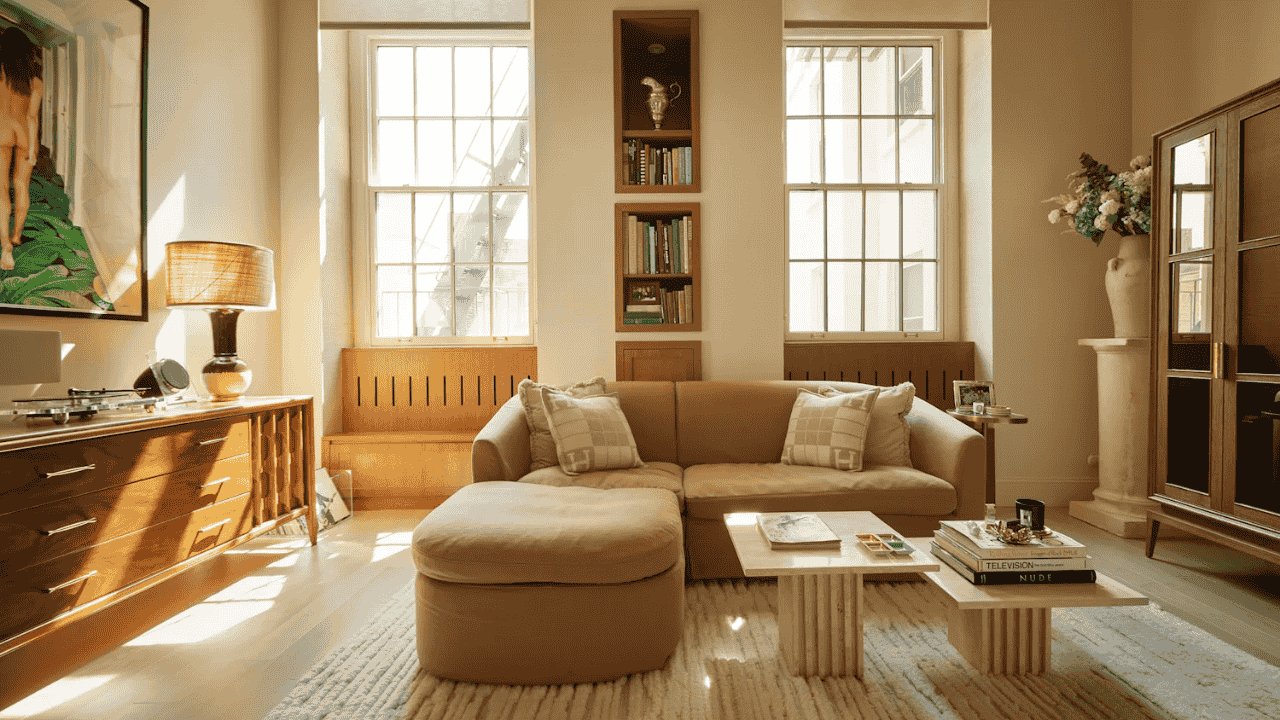
Texture layering is one of the most effective ways to create depth and visual interest in a room. Instead of relying solely on color variation, interior stylists often combine materials like wood, linen, wool, ceramic, and metal to achieve a balanced and inviting environment. These materials interact with light differently, adding subtle richness to the overall design.
A simple DIY strategy is to combine contrasting textures within the same space. For example, pairing a smooth wooden table with a woven rug and soft fabric cushions can create a comfortable yet visually appealing arrangement. Small changes, such as adding textured curtains, handcrafted pottery, or knitted blankets, can dramatically elevate the look of a living room or bedroom.
Smart Lighting
Lighting has the ability to transform the mood of a room more than almost any other design element. Rather than depending solely on a single overhead light, professional interiors often incorporate multiple lighting sources that work together to create a warm and balanced environment.
DIY styling can easily replicate this technique by introducing table lamps, wall lights, or decorative floor lamps in strategic positions. Placing lighting at different heights helps distribute illumination evenly and prevents harsh shadows. Warm-toned bulbs can further enhance the cozy and welcoming atmosphere that many contemporary interiors aim to achieve.
Space Organization
- Decluttering creates visual calm and allows decorative elements to stand out.
- Functional storage solutions improve both appearance and usability.
- Organized surfaces help maintain a clean and balanced design aesthetic.
One of the simplest yet most powerful styling techniques involves thoughtful organization. When rooms are overcrowded with furniture or accessories, even high-quality decor can appear chaotic. Designers often create elegance by intentionally leaving breathing space between objects.
A DIY approach involves selecting a few meaningful decorative items instead of filling every shelf or table. Storage baskets, stylish boxes, and concealed cabinets can keep everyday items out of sight while maintaining accessibility. This method helps create interiors that feel both practical and visually refined.
Decor Grouping
- Group decorative objects in odd numbers for a natural arrangement.
- Combine items of different heights to create visual balance.
- Use trays or platforms to organize small accessories.
Grouping accessories thoughtfully can instantly improve the appearance of a room. Instead of scattering small items across multiple surfaces, stylists often arrange them into coordinated clusters that feel intentional and cohesive.
For example, a coffee table arrangement might include a decorative book stack, a small plant, and a ceramic bowl placed on a tray. This simple grouping technique creates a curated look while preventing surfaces from appearing cluttered. Experimenting with height and spacing can further enhance the visual harmony of the arrangement.
Natural Elements
Incorporating natural materials into interior spaces has become a defining feature of many modern design styles. Elements such as plants, wood textures, and stone surfaces help create a calming connection between indoor spaces and the natural environment.
A DIY styling idea is to introduce greenery through indoor plants or botanical arrangements. Even a single potted plant placed near a window can add life and color to a room. Wooden decorative objects, woven baskets, and natural fiber rugs also contribute to a relaxed and timeless aesthetic.
Furniture Placement
The arrangement of furniture significantly affects how comfortable and functional a room feels. Rather than positioning every piece against the walls, designers often create conversational layouts that encourage interaction and movement.
A simple DIY improvement involves repositioning furniture to form clear zones within the room. For instance, a living room can be arranged so that seating faces each other around a central table, creating a welcoming social area. Small adjustments, such as rotating a chair or repositioning a rug, can dramatically improve the balance and usability of a space.
Styling Impact
Interior styling is not always about expensive furniture or large renovations. Often, the most noticeable transformations occur through subtle changes that improve harmony, lighting, and organization within a room.
By applying simple DIY techniques such as texture layering, balanced color palettes, strategic lighting, and thoughtful accessory placement, homeowners can achieve interiors that feel polished and inviting. These small yet meaningful adjustments demonstrate how professional styling ideas can be adapted for everyday living spaces.
Moving Forward
Thoughtful styling transforms ordinary rooms into spaces that feel personal, comfortable, and visually appealing. Techniques inspired by professional designers show that effective interior design does not always require large budgets or complicated renovations.
DIY styling hacks offer accessible ways to experiment with layout, textures, and decorative elements while maintaining a timeless aesthetic. With patience and creativity, homeowners can gradually refine their interiors and build spaces that reflect both style and functionality. By focusing on balance, simplicity, and natural beauty, anyone can create a home environment that feels both elegant and welcoming.