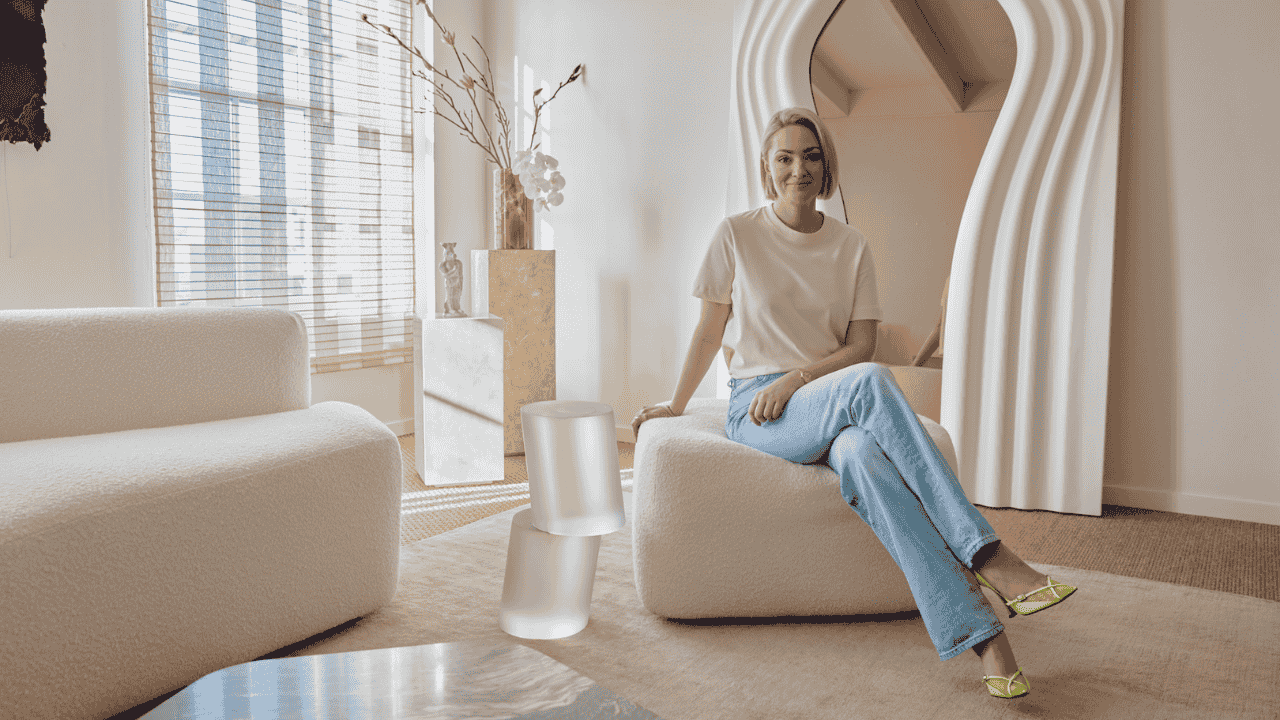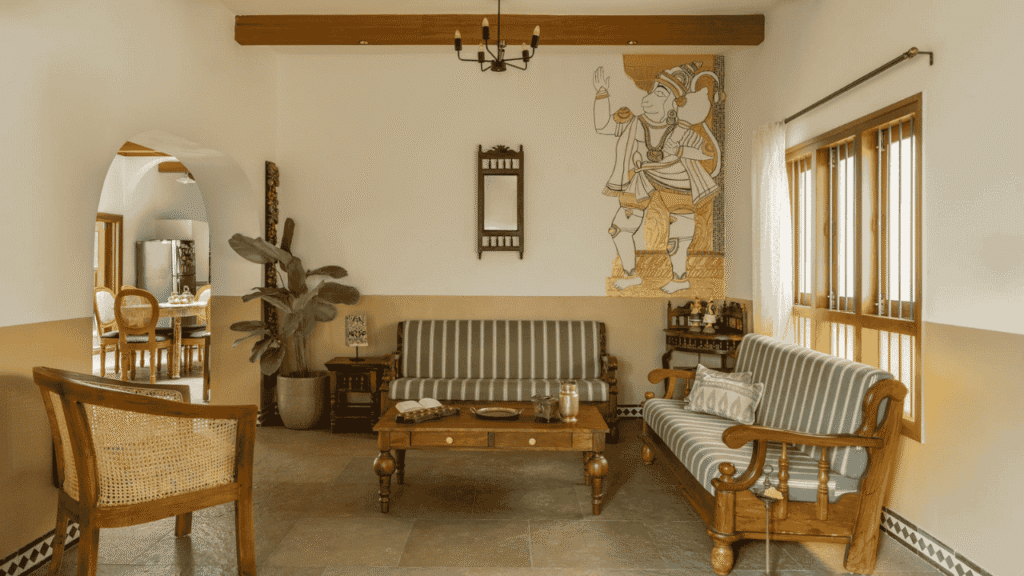
Renovating historic homes requires a delicate balance between preserving heritage and introducing modern functionality. The design philosophy of Studio Bryony Ella focuses on respecting architectural history while creating interiors suited to contemporary lifestyles. Guided by interdisciplinary artist Bryony Ella, this approach blends artistic sensitivity, natural materials, and thoughtful design to modernize traditional homes without losing their character.
Rather than removing original features, the studio approach celebrates them. Period elements such as moldings, wooden floors, and tall windows become focal points around which modern design layers are built. The result is a harmonious environment where past and present coexist seamlessly.
Table of Contents
Transformation Overview
| Design Aspect | Description |
|---|---|
| Design Inspiration | Studio Bryony Ella |
| Primary Goal | Modern comfort while preserving heritage |
| Key Strategy | Blend original architecture with contemporary design |
| Material Focus | Natural wood, stone, linen, and ceramics |
| Color Approach | Soft neutrals and earthy tones |
| Overall Result | Elegant interiors with historic character |
Historic Preservation
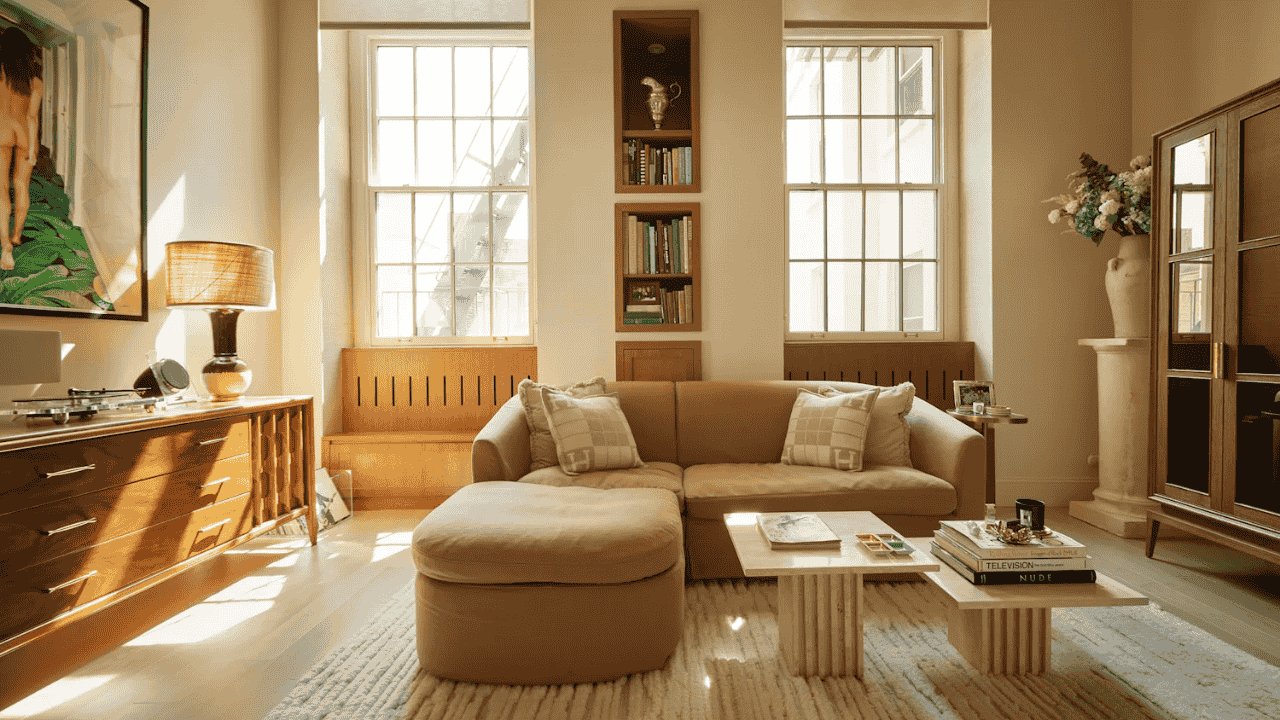
Period homes often contain architectural details that define their character. Interiors inspired by Studio Bryony Ella carefully preserve these elements rather than replacing them. Decorative moldings, fireplaces, exposed beams, and vintage flooring are restored and highlighted.
Maintaining these features preserves the home’s historical identity. Instead of hiding the building’s past, the design approach celebrates it. Modern furniture and décor are then layered around these original details, creating a balanced blend of old and new.
Modern Layouts
One of the most significant transformations in period homes involves improving the layout. Traditional houses often have small, separate rooms that may not suit modern lifestyles. By rethinking spatial organization, designers create open areas that encourage movement and social interaction.
Strategic wall removals, wider doorways, or connected living spaces can make the home feel more spacious without altering its architectural integrity. This thoughtful restructuring allows historic homes to support contemporary living while maintaining their charm.
Material Balance
Material selection plays a major role in harmonizing historic and modern elements.
- Restored Wood Floors – Retain the authenticity of the original home.
- Stone Surfaces – Introduce natural textures that complement historic features.
- Linen Fabrics – Provide soft, comfortable modern textiles.
- Ceramic Decor – Handmade pieces that bridge traditional and contemporary styles.
Using natural materials ensures that new additions feel compatible with older architectural elements. This approach prevents modern updates from appearing disconnected from the home’s original structure.
Color Harmony
Color palettes used in transformations influenced by Bryony Ella typically feature subtle, calming tones. Soft whites, warm beiges, muted greens, and earthy browns enhance natural light while complementing historic textures.
Neutral colors also help highlight architectural features such as paneling or decorative trim. Rather than competing with these details, the color palette allows them to stand out within the room’s visual identity.
Art Integration
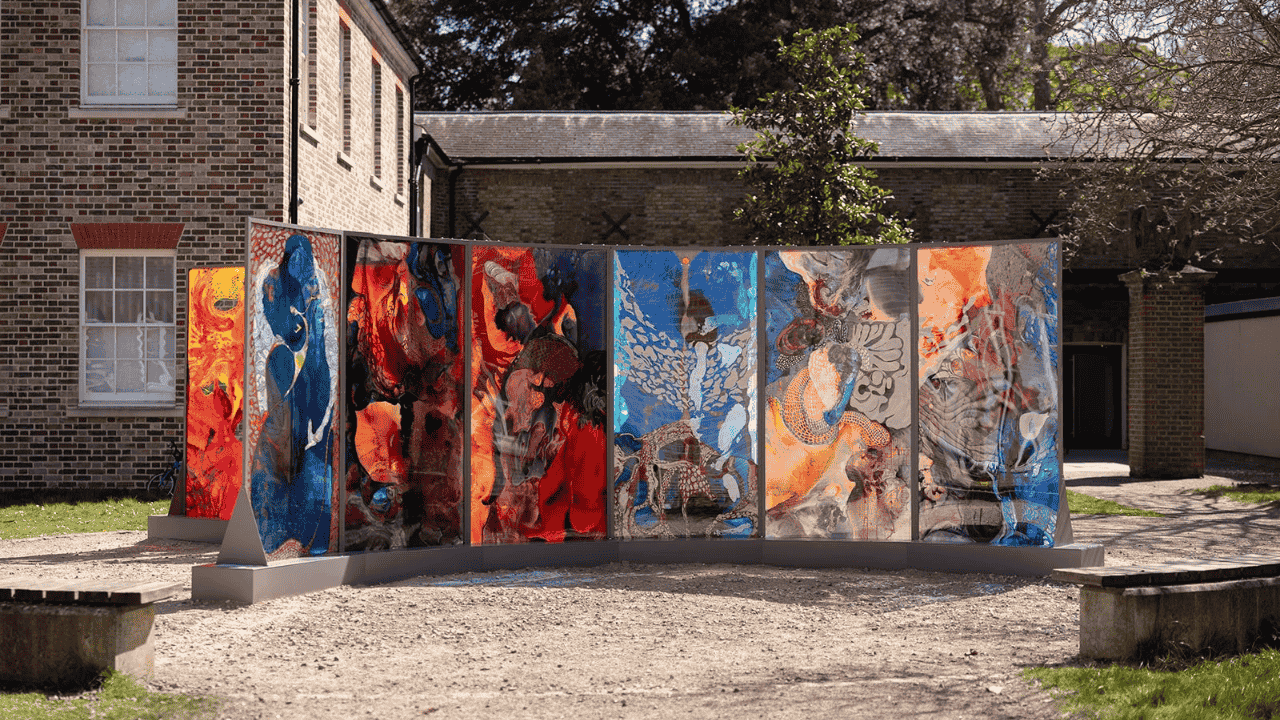
Art plays an important role in bridging historic architecture with contemporary creativity. Paintings, sculptures, and installations often serve as focal points within rooms. These artworks introduce modern expression while respecting the home’s traditional character.
Bryony Ella’s artistic background informs a design approach in which art interacts with the space rather than simply decorating it. Organic shapes and nature-inspired themes often echo the materials and textures used throughout the interior.
Lighting Strategy
Lighting significantly influences how historic interiors feel after renovation. Large windows are often preserved to maintain the home’s original charm while allowing natural light to fill the rooms.
Additional lighting layers, such as floor lamps, wall sconces, and pendant lights, help modernize the atmosphere. Warm lighting highlights textures in wood, stone, and fabric, making the space feel both sophisticated and comfortable.
Functional Upgrades
Transforming a period home also requires updating practical elements for modern living.
- Smart Storage – Built-in cabinets that blend with historic walls.
- Modern Kitchens – Contemporary appliances within classic cabinetry.
- Updated Bathrooms – Sleek fixtures paired with traditional materials.
- Energy Improvements – Better insulation and efficient lighting systems.
These upgrades ensure the home operates efficiently while preserving its visual heritage. Practical improvements remain subtle to avoid disrupting the original aesthetic.
Interior Character
The final step in transforming a period home is to add personal touches that make the space feel lived-in. Books, ceramics, indoor plants, and vintage accessories introduce warmth and individuality.
This layer of personality ensures the home reflects its occupants’ lifestyle. Instead of appearing like a museum of historical architecture, the interior becomes a comfortable and expressive living environment.
Closing Perspectives
The transformation of historic homes inspired by Studio Bryony Ella demonstrates how thoughtful design can merge heritage with modern comfort. By preserving architectural details, introducing natural materials, and integrating artistic elements, period houses evolve into elegant contemporary spaces.
Guided by Bryony Ella’s creative vision, this approach underscores the importance of respecting history while embracing modern lifestyles. When executed carefully, the result is a timeless interior where tradition and innovation coexist beautifully.