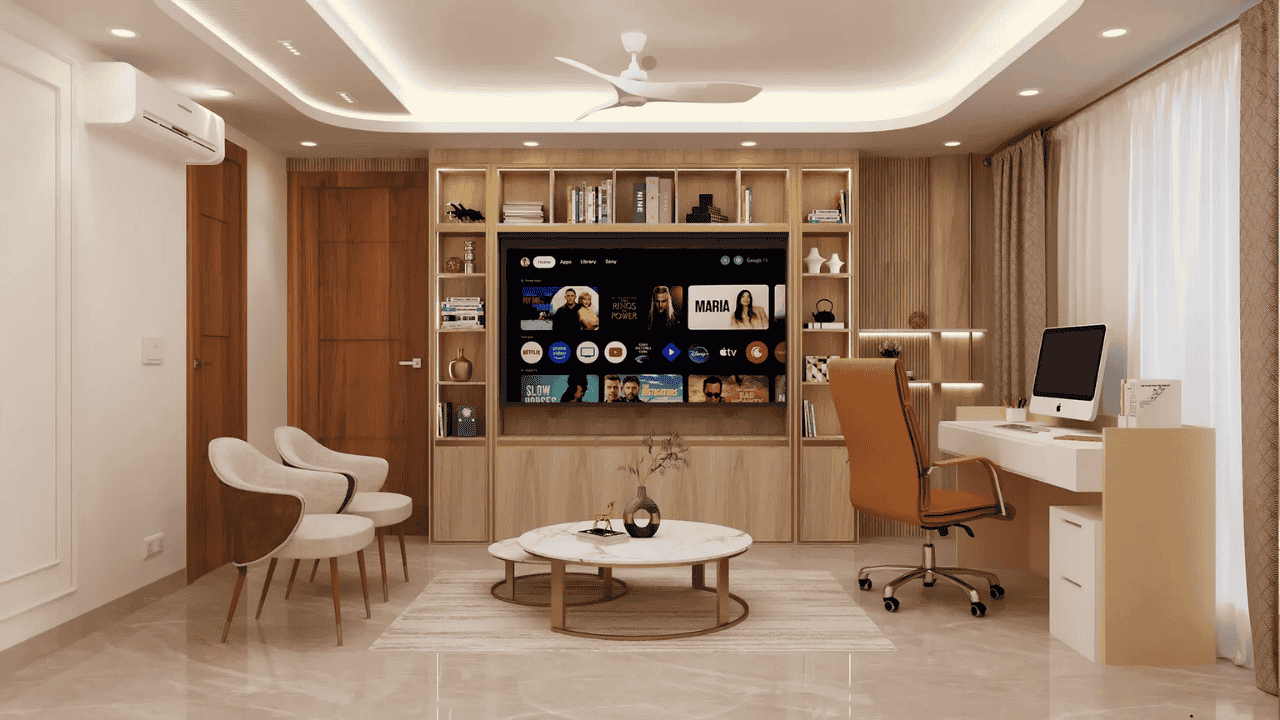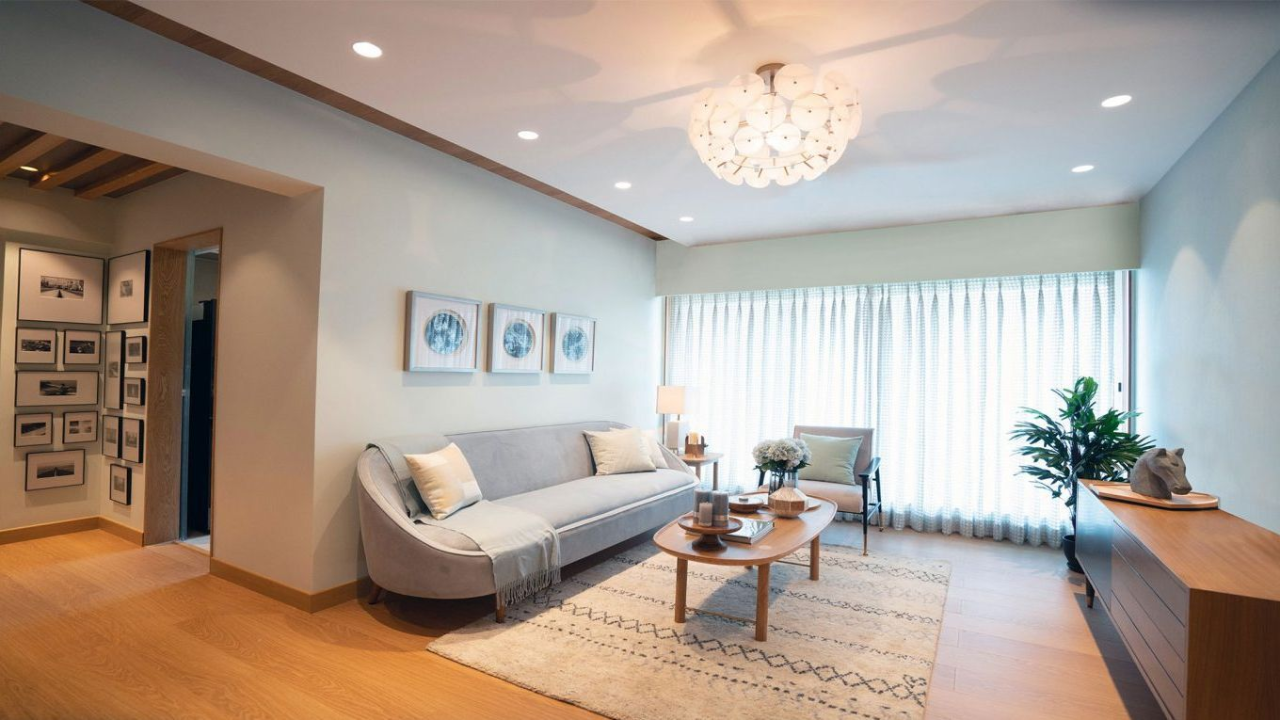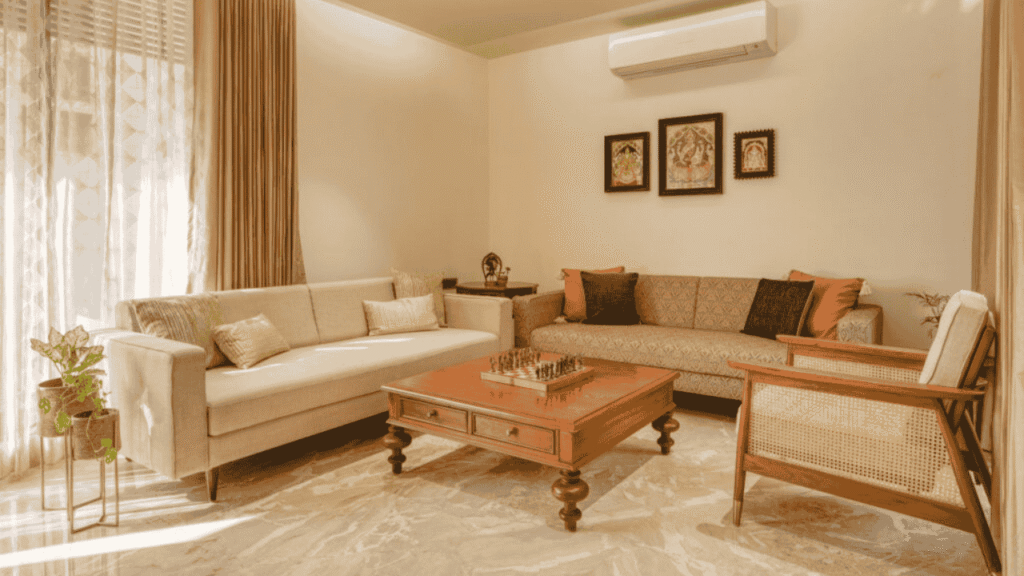
Interior design styles similar to those associated with Bryony Ella often emphasize calm, neutral palettes, layered textures, and a balance between traditional architecture and contemporary living. Designers working in this space typically focus on understated luxury, natural materials, and carefully curated decor rather than bold or highly experimental aesthetics.
Across the UK and internationally, several interior designers share comparable philosophies. Their work blends heritage elements with modern comfort, creating homes that feel elegant, livable, and timeless.
Table of Contents
Designer Comparison Overview
| Aspect | Details |
|---|---|
| Shared Style | Neutral palettes and timeless interiors |
| Common Materials | Wood, linen, stone, and natural textures |
| Design Focus | Comfortable yet refined residential spaces |
| Styling Approach | Layered decor with curated accessories |
| Design Influence | Modern reinterpretation of classic interiors |
Rose Uniacke
Rose Uniacke is widely known for creating interiors that embody quiet luxury and serene simplicity. Her projects often feature muted color palettes, antique furniture, and carefully selected materials that produce an atmosphere of understated elegance.
Similar to the aesthetic associated with Studio Bryony Ella, Uniacke’s work emphasizes balance and proportion rather than dramatic decoration. Her interiors typically rely on natural light, textured fabrics, and historical architectural elements to create calm and timeless living spaces.
Emma Sims Hilditch
Emma Sims Hilditch, founder of Sims Hilditch, designs interiors that combine English country charm with refined modern comfort. Her projects frequently feature oak beams, linen curtains, and warm neutral color schemes.
The similarity to Bryony Ella’s design approach lies in the focus on livable spaces that reflect both heritage and contemporary needs. Homes designed by Sims Hilditch often feel relaxed, welcoming, and deeply connected to traditional British architecture.
Kelly Hoppen
Kelly Hoppen is one of the most influential names in contemporary British interiors. Her signature style combines neutral palettes, clean lines, and layered textures to create sophisticated yet comfortable spaces.
Although Hoppen’s work can sometimes appear more polished and globally inspired, the emphasis on calming tones and material contrast closely aligns with the restrained elegance seen in Bryony Ella–style interiors.
Nicola Harding
Nicola Harding is known for interiors that feel collected and personal rather than overly styled. Her projects frequently mix antiques, vintage furniture, and modern pieces to create spaces rich in character.
This layered and narrative-driven design approach mirrors the philosophy behind many Studio Bryony Ella interiors. Instead of relying on uniform furniture sets, Harding’s work embraces individuality and storytelling through objects and materials.
Ben Pentreath
Ben Pentreath is celebrated for his colorful yet historically grounded interiors. While his palette can be slightly richer than Bryony Ella’s typical neutrals, his respect for architecture and traditional craftsmanship is similar.
Pentreath’s projects often highlight original building features such as fireplaces, moldings, and wooden floors. By pairing these elements with modern furniture and carefully chosen textiles, he creates interiors that feel both classic and contemporary.
Jane Cumberbatch
Jane Cumberbatch developed the design philosophy known as “Pure Style,” which emphasizes simplicity, longevity, and natural materials. Her interiors typically feature white walls, muted tones, and vintage furnishings.
This philosophy aligns closely with the calm, uncluttered aesthetic found in many modern British interiors. The emphasis on simplicity and authenticity makes her work highly comparable to Bryony Ella’s inspired design approaches.
Fiona Barratt-Campbell
Fiona Barratt-Campbell creates interiors known for textured materials, sophisticated neutrals, and a strong sense of place. Her projects often incorporate unique materials and layered surfaces to produce depth and visual interest.
While sometimes more luxurious in scale, her work still shares the emphasis on craftsmanship and subtle design details that define many contemporary British residential interiors.
Style Similarities
- Neutral palettes that create calm living environments
- Natural materials such as wood, linen, and stone
- Vintage or antique pieces mixed with contemporary furniture
- Carefully curated decorative accessories
- Interiors designed for comfort and everyday living
These shared characteristics define a broader design movement often described as modern British interiors or quiet luxury design.
Design Influence
The growing popularity of designers working within this aesthetic reflects a wider shift in interior design preferences. Homeowners increasingly favor spaces that feel calm, personal, and timeless rather than overly trend-driven.
Designers such as Rose Uniacke, Emma Sims Hilditch, and Nicola Harding demonstrate how traditional architectural elements can be preserved while still introducing modern functionality. This philosophy mirrors the principles seen in many Studio Bryony Ella–inspired homes.
Final Thoughts
Interior designers similar to Studio Bryony Ella share a commitment to timeless elegance, thoughtful material choices, and balanced interiors. Rather than following short-lived trends, they focus on creating homes that remain comfortable and visually appealing for many years.
By combining natural materials, heritage architecture, and carefully curated decor, these designers represent a design approach that continues to shape modern British residential interiors. Their work shows how understated luxury and personal expression can coexist within beautifully crafted living spaces.