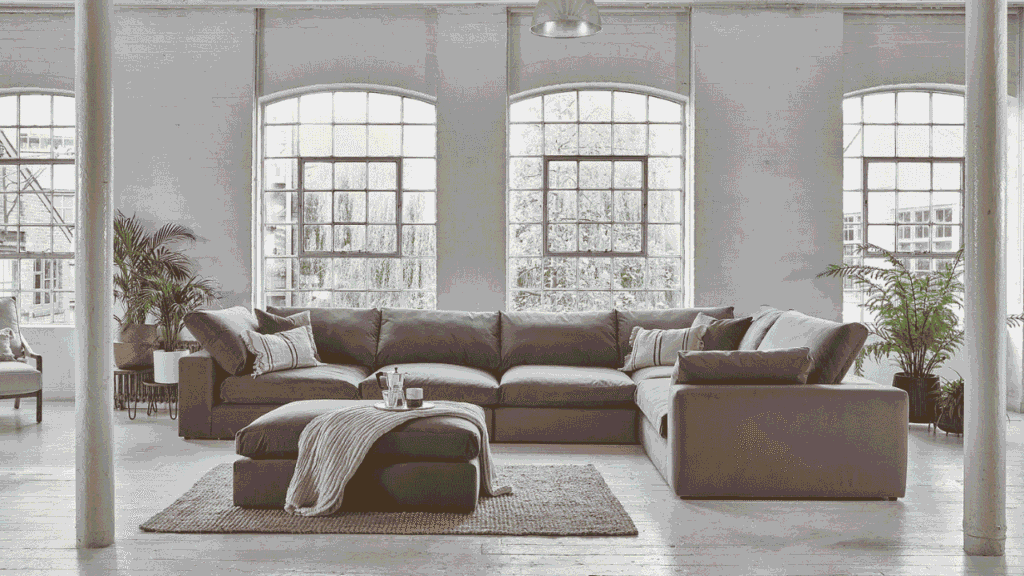
Open-plan living has become one of the most influential interior design trends in modern homes. By removing physical barriers between rooms, homeowners can create spaces that feel brighter, more spacious, and better suited to contemporary lifestyles. The design philosophy associated with Studio Bryony Ella demonstrates how open-plan layouts can balance functionality with artistic expression.
Guided by the creative ideas of Bryony Ella, this approach focuses on natural flow, thoughtful zoning, and harmonious materials. Instead of creating one large, undefined room, open-plan spaces are carefully organized to maintain structure while encouraging connection between living areas.
Table of Contents
Open-Plan Design Overview
| Design Element | Description |
|---|---|
| Layout Concept | Connected living, dining, and kitchen spaces |
| Primary Goal | Improved movement and natural light |
| Material Focus | Wood, stone, linen, and organic textures |
| Zoning Method | Furniture placement and subtle visual divisions |
| Lighting Strategy | Layered lighting across functional zones |
| Overall Atmosphere | Calm, balanced, and visually connected |
Space Planning
Open-plan living begins with careful space planning. Rather than randomly removing walls, designers evaluate how each area will function within the larger environment. Kitchens, dining spaces, and lounges must work together without interfering with each other.
Designs inspired by Studio Bryony Ella often maintain clear pathways and logical arrangements. The kitchen typically becomes the central hub, while surrounding areas are positioned to encourage conversation and movement throughout the space.
Functional Zones
Creating defined zones within an open layout helps maintain organization and comfort.
- Living Zone – Sofas and seating arranged for relaxation and conversation.
- Dining Zone – A dedicated table area for meals and gatherings.
- Kitchen Zone – Practical workspace with clear access to storage and appliances.
- Transition Zone – Pathways that allow easy movement between areas.
These zones provide structure without disrupting the openness of the layout.
Material Continuity
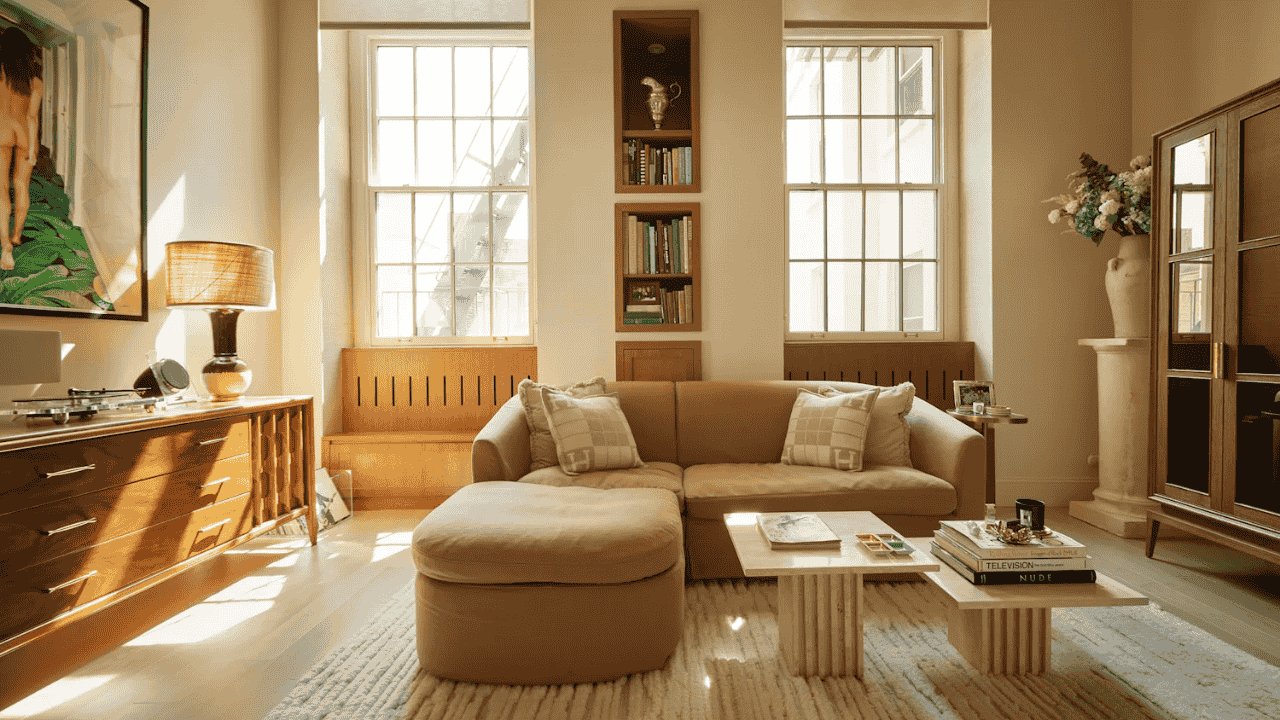
Materials play a crucial role in unifying open-plan interiors. Consistent flooring, coordinated textiles, and complementary finishes help connect different zones visually.
Natural materials are frequently used in designs influenced by Bryony Ella. Wood floors, linen upholstery, and stone surfaces create a cohesive palette that flows smoothly throughout the space. This consistency helps maintain harmony even when multiple functions exist in the same room.
Color Strategy
Color schemes in open-plan homes are usually calm and cohesive. Neutral shades such as warm whites, soft greys, and gentle beige tones provide a base that connects the entire space.
Accent colors may appear through artwork, cushions, or decorative objects. Because the areas are visually connected, these accents should complement each other rather than compete. This approach ensures the design feels unified rather than fragmented.
Lighting Layers
Lighting becomes especially important in open-plan environments because each zone has different functional needs.
- Pendant Lighting – Often placed above dining tables or kitchen islands.
- Floor Lamps – Used in lounge areas for warm ambient lighting.
- Recessed Lighting – Provides even illumination across the space.
- Accent Lights – Highlight artwork or architectural details.
Layered lighting allows homeowners to adjust the atmosphere depending on the time of day and activity.
Furniture Placement
Furniture arrangement helps define the boundaries of each zone without the need for walls. Sofas, bookshelves, and area rugs can act as visual dividers while maintaining openness.
Large furniture pieces should be positioned to guide movement through the room. Designers inspired by Studio Bryony Ella often align seating areas to face each other, creating inviting conversation spaces within the broader layout.
Acoustic Comfort
Open spaces can sometimes lead to sound issues. Without walls to absorb noise, conversations, appliances, and entertainment systems may echo throughout the room.
Soft materials such as rugs, curtains, upholstered furniture, and wall hangings can reduce noise levels. These elements also enhance comfort while contributing to the visual warmth of the interior.
Natural Connection
Many open-plan homes aim to strengthen the connection between interior spaces and the outdoors. Large windows, sliding doors, or glass panels allow natural light to flow through the entire layout.
Plants and natural textures further reinforce this relationship with nature. This connection reflects the ecological perspective often associated with Bryony Ella, where living environments remain closely linked to natural systems.
Final Thoughts
Open-plan living offers an opportunity to create homes that feel open, social, and adaptable. The design philosophy associated with Studio Bryony Ella demonstrates how thoughtful planning, balanced materials, and artistic sensitivity can transform open layouts into harmonious living environments.
By focusing on zoning, lighting, and material continuity, homeowners can enjoy spacious interiors without sacrificing structure or comfort. Inspired by the creative perspective of Bryony Ella, open-plan living becomes more than a layout choice—it becomes a design strategy that encourages connection, creativity, and everyday functionality.