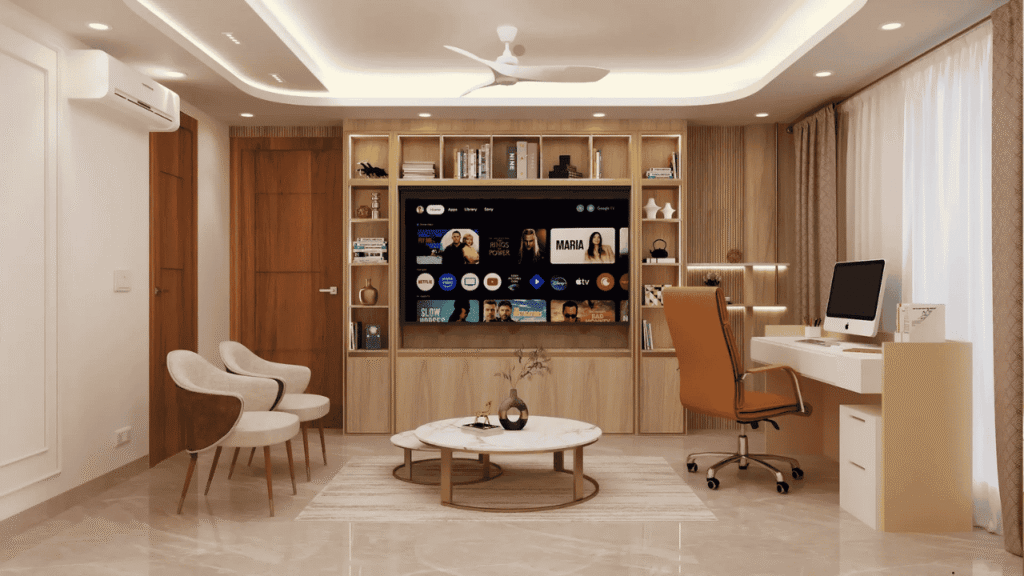
Interior design that stands the test of time often combines simplicity, purpose, and connection to natural surroundings. The philosophy practiced at Studio Bryony Ella reflects these values through an approach that merges artistic thinking with environmental awareness. Guided by interdisciplinary artist Bryony Ella, the studio develops spaces that feel calm, organic, and thoughtfully balanced.
Timeless interiors are not created through trends but through a deeper understanding of materials, light, and human experience. The studio’s design perspective emphasizes harmony between people and their surroundings, encouraging interiors that feel both modern and enduring. Such spaces celebrate subtle elegance while allowing natural elements and artistic expression to shape the atmosphere.
Table of Contents
Interior Philosophy Overview
| Aspect | Description |
|---|---|
| Studio Name | Studio Bryony Ella |
| Founder | Bryony Ella |
| Design Style | Modern yet timeless British aesthetics |
| Core Inspiration | Nature, ecology, and human experience |
| Key Elements | Organic materials, soft color palettes, artistic textures |
| Creative Focus | Harmonious interiors that connect people with nature |
Design Foundations
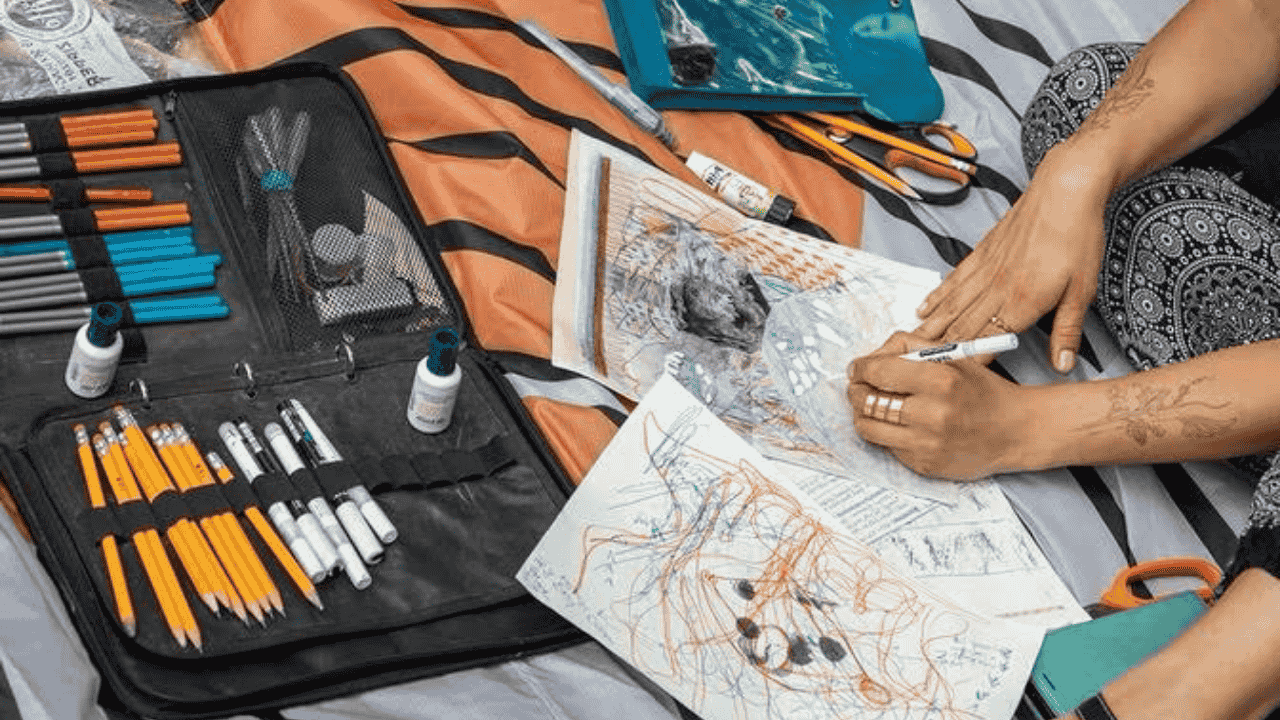
Creative thinking is at the core of the interior concepts developed by Studio Bryony Ella. The studio approaches interior design as a form of storytelling where each space reflects a balance between functionality and emotional resonance. Rather than focusing solely on decoration, design decisions are guided by the way people interact with their environment.
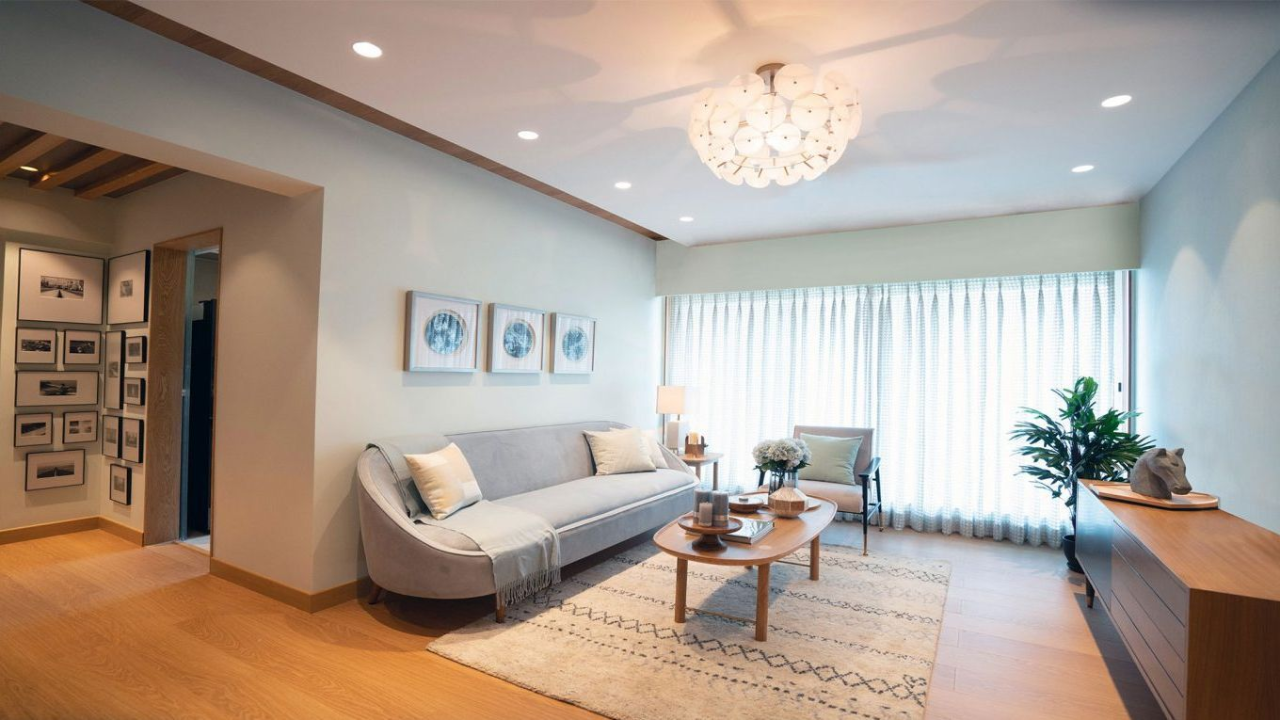
Spaces designed under this philosophy often feel calm and purposeful. Natural light, open layouts, and carefully selected materials create interiors that evolve rather than become outdated. Such an approach ensures that design remains relevant even as trends change, supporting the idea that true elegance lies in simplicity and balance.
Material Choices
The studio emphasizes materials that reflect authenticity and durability.
- Natural Woods – Warm textures that add depth and timeless character.
- Stone Surfaces – Organic patterns that create subtle visual interest.
- Textured Fabrics – Linen, wool, and cotton provide comfort and softness.
- Handcrafted Elements – Artisan details that add uniqueness to interior spaces.
Material selection also focuses on sustainability and longevity. Natural surfaces tend to age gracefully, developing character over time. This philosophy supports the creation of interiors that remain visually appealing for years without constant renovation or redesign.
Color Language
Color palettes used in projects associated with Studio Bryony Ella often draw inspiration from landscapes and natural environments. Soft tones such as earthy browns, gentle greens, and warm neutrals dominate the visual identity of these interiors.
Such palettes create an atmosphere of relaxation and continuity with nature. Instead of bold or highly contrasting colors, the studio typically favors subtle transitions between shades. This restrained use of color helps maintain visual harmony and supports the timeless character that defines the studio’s design philosophy.
Spatial Balance
Interior environments developed by the studio emphasize balance between openness and comfort. Layouts are designed to allow natural movement while preserving intimate areas for reflection and relaxation. Furniture placement often highlights the architectural features of a room rather than overwhelming them.
Careful consideration is also given to light and shadow. Large windows, layered lighting, and reflective surfaces help distribute light evenly throughout a space. Such design strategies enhance a sense of calm and make interiors feel more connected to outdoor landscapes.
Art Integration
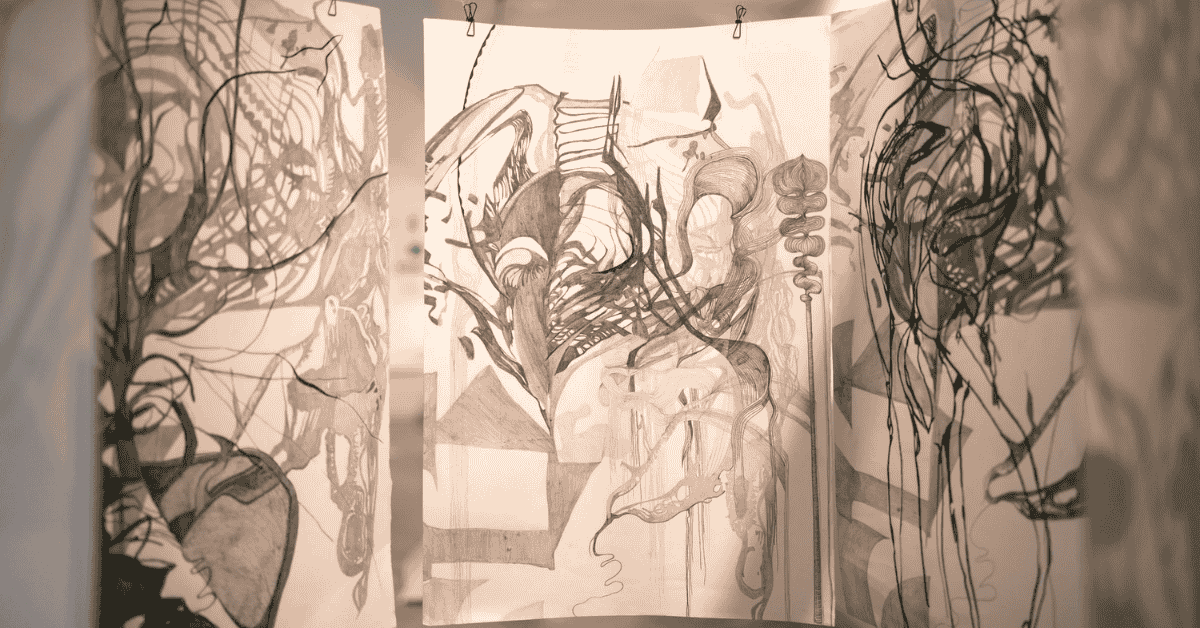
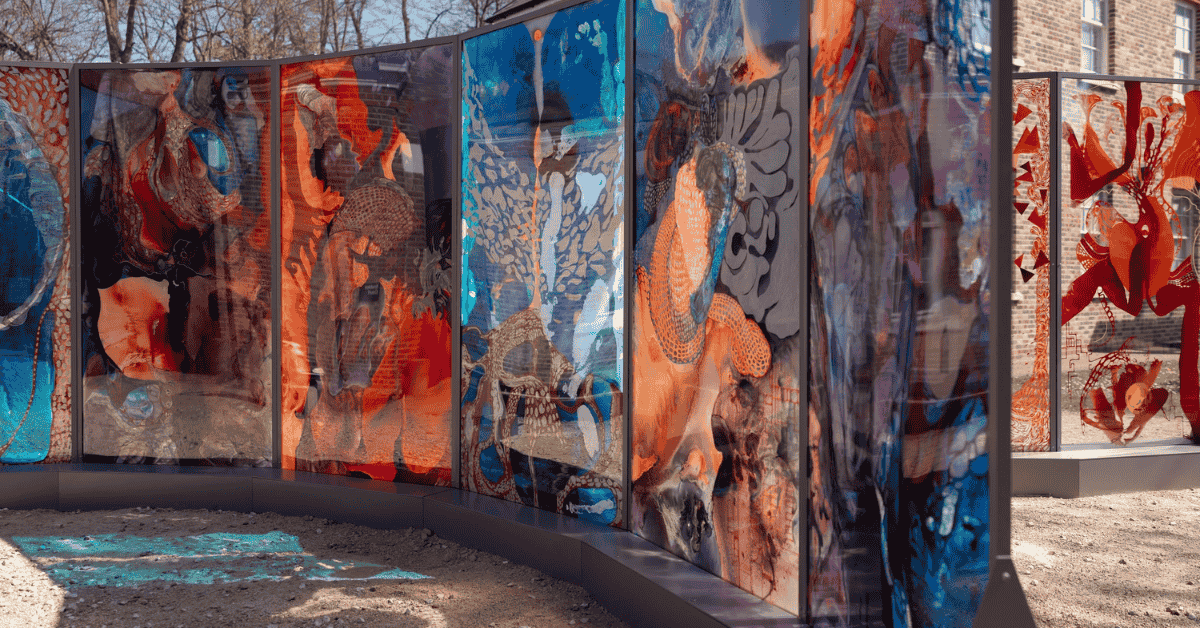
Art plays an important role in shaping the character of spaces inspired by Bryony Ella’s vision. Instead of treating artwork as an afterthought, it becomes an integral part of the design process. Paintings, sculptures, and installations often interact with architectural elements to create cohesive visual narratives.
Creative expression also introduces individuality into interiors. Each artwork contributes a unique perspective, transforming a room into a living environment that reflects both artistic vision and personal experience. This integration of art ensures that interiors feel expressive rather than purely functional.
Lifestyle Elements
A timeless interior often reflects how people live and interact with their surroundings.
- Comfortable Layouts – Spaces designed for everyday use and relaxation.
- Functional Storage – Thoughtful organization that maintains visual simplicity.
- Nature Connections – Indoor plants and natural light enhance well-being.
- Personal Details – Decorative elements that reflect individual stories.
These lifestyle considerations ensure that the design supports daily routines while maintaining aesthetic harmony. Practicality and beauty work together, creating environments that remain inviting and meaningful over time.
Modern Influence
While timelessness is a central goal, modern influences still appear in the studio’s design approach. Clean lines, minimalist furniture, and uncluttered spaces reflect contemporary design sensibilities. These elements allow interiors to feel fresh and relevant without relying on temporary design trends.
Technological integration also supports modern living. Lighting systems, climate control, and subtle smart features can be integrated without disrupting the space’s natural aesthetic. The result is a balanced environment where tradition and innovation coexist comfortably.
Moving Forward
The design philosophy practiced at Studio Bryony Ella demonstrates how thoughtful interiors can transcend changing trends. By combining natural materials, artistic expression, and ecological awareness, the studio creates spaces that feel elegant and enduring.
Guided by Bryony Ella’s creative vision, this approach underscores the importance of harmony between human life and the surrounding environment. Timeless interior design emerges not from decoration alone but from a deeper understanding of materials, space, and the connections that make a place truly meaningful.